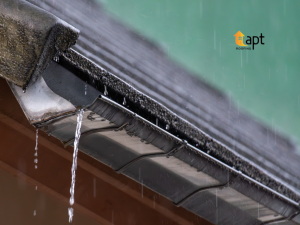


Heavy rain can reveal roofing problems that were difficult to notice during dry weather. If you are considering roof repair Sydney services after a storm or prolonged rainfall, the first step is to work out where water may be entering and whether the problem appears isolated or more widespread. Ceiling marks, damaged tiles, overflowing gutters and moisture in the roof space can all provide useful clues.
Sydney homeowners should approach post-rain inspections carefully. NSW SES recommends checking roofs for leaks and damage such as loose tiles, metal sheets and screws, while also keeping gutters, downpipes and drains clear. Storms in NSW can bring heavy rain, damaging winds and hail, so identifying problems early can help prevent further water entry during the next weather event.
Roof Repair Sydney Signs on Ceilings and Walls
Before examining the outside of the property, start inside. One of the easiest ways to identify a possible roof problem after heavy rain is to look for changes to ceilings and walls.
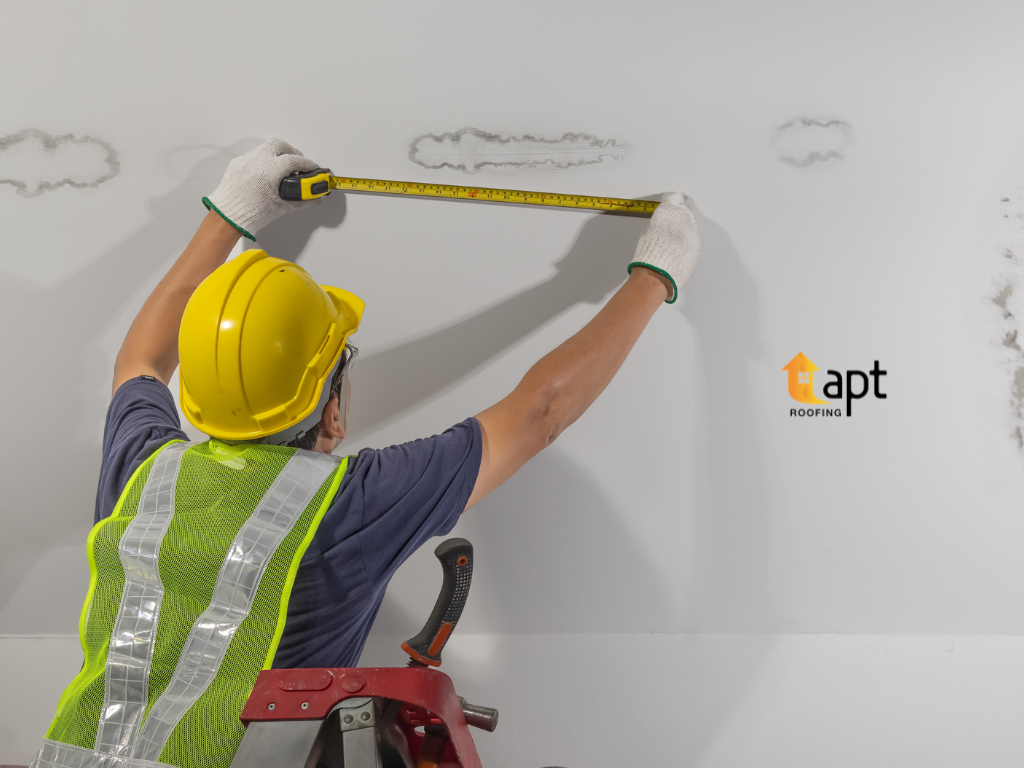
Fresh brown or yellow marks, bubbling paint, peeling surfaces and damp plaster can indicate water entry. You may also notice a musty smell or an area of ceiling that feels noticeably damp. In some homes, the first visible evidence appears around cornices, ceiling joints, skylights or the top of an external wall.
The position of the stain does not necessarily identify the exact point where the roof is leaking. Water can travel along roof framing, insulation or other building materials before appearing inside. This is why professional roof repairs Sydney inspections often involve tracing the water back towards its likely entry point rather than simply repairing the area directly above the stain.
YourHome notes that roof leaks can cause significant damage if they are not addressed and recommends seeking expert advice where needed for problems such as leaks and dampness.
Roof Repair Sydney Checks in the Roof Space
If your roof space can be accessed safely, signs such as damp insulation, moisture on timber or visible water staining can provide additional information. However, homeowners should not enter a roof space if there is any concern about electrical hazards, structural damage, unstable ceilings or unsafe access.
A wet roof cavity can also make insulation heavier and less effective. Your Home recommends checking ceiling insulation and replacing material that has been moved or damaged where appropriate.
If water is actively entering the home, the priority should be protecting people rather than trying to locate the leak yourself. Significant leaks following severe weather may require emergency roof repair Sydney assistance or support from emergency services.
Roof Repair Sydney: Inspect the Exterior Safely
Roof Repair Sydney Checks You Can Make From the Ground
After the rain has stopped and conditions are safe, inspect the roof from ground level or another secure viewing position. You may be able to identify missing tiles, displaced roofing, damaged ridge capping or debris on the roof without climbing onto it.
For tiled roofs, compare the roof surface with surrounding sections. A tile that has shifted may create a visible gap or break the regular pattern of the roof. Strong winds can also loosen metal sheets, flashings or fixings.
NSW SES specifically recommends checking for leaks and damage involving loose tiles, metal sheets and screws.
These observations can be useful when contacting a roof repairs service in Sydney because they give the roofer an initial indication of what may have changed during the storm.
Roof Repair Sydney Inspections Should Not Create New Risks
Avoid climbing onto a wet roof to investigate a leak. Roof surfaces can remain slippery after rain, and storm damage may leave tiles, sheets or other components less secure than they appear from below.
NSW SES advises checking the structural stability of a property after storm damage and being cautious around damaged roofs and other building elements.
A professional roof repair Sydney assessment is generally safer when the problem cannot be identified from the ground. Roofers can inspect areas such as ridges, valleys, flashings and roof penetrations more closely without requiring the homeowner to take unnecessary risks.
Roof Repair Sydney: Check Tiles and Flashing

Roof Repair Sydney Problems Commonly Found in Tiles
Heavy rain itself may not break a roof tile, but it can expose an existing crack, damaged ridge section or displaced tile that previously allowed little or no noticeable water entry.
When considering tile roof repair Sydney services, look for visible cracks, missing tiles or tiles that appear to have moved out of position. Damaged ridge capping may also allow water to enter vulnerable roof junctions.
YourHome recommends replacing cracked roof tiles and repairing roof ridging where necessary as part of normal home maintenance.
A few damaged tiles may require a targeted repair rather than extensive roofing work. However, if damage is present across several areas, the roofer may need to assess the wider condition of the roof before recommending the most appropriate solution.
Roof Repair Sydney Checks Around Flashing and Openings
Not every roof leak comes through a broken tile. Flashing around chimneys, skylights, vents, walls and other roof penetrations is designed to direct water away from joints where different surfaces meet.
When flashing becomes loose, damaged or deteriorated, heavy rain can find its way into gaps that may not cause problems during lighter rainfall.
Water may also enter around roof valleys, particularly if debris interferes with drainage. A residential roof repair Sydney inspection should therefore look beyond the obvious damaged tile and assess the areas where roof surfaces, penetrations and drainage paths meet.
This is one reason locating the true source of a leak can take more investigation than simply finding the first wet patch inside the home.
Roof Repair Sydney: Check Gutters and Drainage
Roof Repair Sydney Problems Caused by Blocked Gutters
Gutters play an important role in moving rainwater away from the roof. During heavy rainfall, leaves, dirt and other debris can restrict water flow and cause gutters to overflow.
NSW SES warns that blocked gutters, downpipes and drains can trap water and cause it to overflow under the eaves and into the roof cavity.
When considering roof repair Sydney after heavy rain, look for signs that water has overflowed from the guttering. Staining beneath gutters, debris around outlets or water marks near the fascia may indicate that drainage has been restricted.
YourHome also recommends cleaning gutters regularly, checking them for leaks and making sure they fall correctly towards drainage outlets.
The roof itself may therefore be only one part of the problem. Guttering and drainage should be considered during the inspection as well.
Roof Repair Sydney Checks for Downpipes and Water Flow
Downpipes should carry roof water away efficiently. If a downpipe is blocked, disconnected or damaged, water may overflow near the roofline or accumulate around the property.
After heavy rain, look for unusual pooling, overflowing joints or evidence that water has traveled down external walls instead of through the drainage system.
A roof repairs service in Sydney may need to examine both the roof covering and its drainage components before deciding what should be repaired. APT Roofing, for example, lists roof repairs, leak repairs, guttering and downpipe work among its current Sydney roofing services, which reflects how closely these parts of the roofing system are connected.
Checking drainage alongside the roof can help avoid repairing one visible symptom while leaving another contributing issue unresolved.
Roof Repair Sydney: Know When a Leak Is Urgent
Roof Repair Sydney Situations That Need Prompt Attention
Some leaks can wait for a scheduled inspection, while others require more immediate action. Active water entering living areas, significant storm damage, a visibly sagging ceiling or major sections of roofing that have moved should be treated seriously.
Water close to electrical fittings, lights or wiring creates an additional concern. Avoid touching wet electrical equipment or damaged areas and seek appropriate professional assistance.
For storm and flood assistance in NSW, the NSW SES advises calling 132 500. In a life-threatening emergency, Triple Zero should be used. NSW SES specifically lists a damaged or leaking roof as one situation where storm assistance may be required.
Emergency roof repair Sydney services may also be appropriate where temporary measures are required to reduce further water entry until permanent repairs can safely be completed.
Roof Repair Sydney: A Small Stain Can Hide a Larger Issue
The size of an internal stain does not always indicate the extent of the roofing problem. Water may travel some distance before becoming visible, and a leak that only appears during heavy rain may still involve flashing, valleys, roof penetrations or drainage.
Repeated leaks deserve particular attention. If the same section of ceiling becomes damp every time Sydney experiences prolonged rainfall, patching the internal surface will not address the cause.
A professional roof repair Sydney inspection should aim to identify why the water entered, not simply where it became visible inside the house.
This is especially important after storm damage roof repair inquiries because more than one part of the roof may have been affected by wind, rain, hail or debris.
Roof Repair Sydney: Understand What Affects Cost
Roof Repair Sydney and Roof Leak Repair Cost
There is no single roof leak repair cost that applies to every Sydney home. The final price can depend on the roofing material, where the problem is located, how easily the area can be accessed and how much work is required to correct the cause.
Replacing one damaged tile is different from repairing flashing, addressing a valley problem or repairing several sections following storm damage. Guttering, ridge capping or underlying roof components may also need attention depending on what the inspection finds.
For this reason, roof repair Sydney pricing is more useful when it is based on the actual condition of the roof rather than a generic figure.
Homeowners comparing quotations should understand what work is included and whether the proposed repair addresses the source of the leak.
Roof Repair Sydney Quotes Should Follow an Inspection
An inspection helps determine whether the problem is limited to one section or whether several areas require attention.
APT Roofing currently offers roof repairs and roof leak repairs alongside re-roofing, roof restoration, guttering and downpipe services across Sydney. Its published information also refers to residential, strata, real estate and insurance roofing work.
This broader capability can be useful when an inspection identifies more than a single broken tile. The appropriate recommendation may range from a targeted repair to more extensive work depending on the roof’s condition.
When comparing a roof repairs service in Sydney, ask for a clear explanation of what caused the leak and what the proposed work is intended to correct. That makes it easier to compare quotes based on scope rather than price alone.
Roof Repair Sydney: Fix the Cause Before More Rain

Roof Repair Sydney Work Should Match the Actual Problem
Once the inspection identifies the likely source of water entry, the repair should address that particular problem.
A broken tile may need replacement. Damaged flashing may require repair or renewal. Problems around a roof valley can require different work again, while blocked or damaged guttering may need to be cleared, repaired or replaced.
Storm damage roof repair does not automatically mean replacing the entire roof. An isolated problem may be suitable for a targeted repair, while widespread deterioration or repeated failures may justify discussing broader options.
NSW Government guidance identifies roof tiling and roof plumbing as recognized trade work. Roof plumbing includes work involving guttering, downpipes, roof flashing and roof coverings, while roof tiling covers the installation and repair of tiled roof surfaces.
This makes it important to use an appropriately qualified contractor where licensing requirements apply.
Roof Repair Sydney Questions to Ask Before Work Begins
Before approving roof repair Sydney work, ask the roofer to explain where the leak is believed to originate, what components require repair and whether any related areas should also be maintained.
It is also useful to understand the materials being used, the scope of the quotation, applicable warranty information and whether there are maintenance steps that could reduce the likelihood of a repeat problem.
APT Roofing provides roof repair, roof leak repair, restoration, re-roofing, guttering and downpipe services across Sydney, so homeowners with visible leaks or storm-related damage can request an inspection to establish what type of work is appropriate.
After repairs are completed, ongoing maintenance still matters. NSW SES recommends fixing damaged roofing and keeping gutters, downpipes and drains clear as part of preparing a property for storms.
Heavy rain is often when hidden roofing weaknesses finally become visible. Checking the interior of the home, inspecting the roof safely from ground level, reviewing drainage and arranging professional assessment where necessary can help you understand the problem before the next period of severe weather arrives.