
Roof leaks are one of the most common reasons homeowners seek residential roof repair Sydney services. Whether the problem begins with a small ceiling stain, occasional dripping during heavy rain or visible damage to roofing materials, identifying the source early can help prevent more extensive problems.
Sydney homes are exposed to changing weather conditions, including heavy rainfall, strong winds, summer heat and seasonal storms. Over time, these conditions can affect roof tiles, metal sheets, flashing, gutters and other components designed to protect a property from water entry.
However, not every roof leak is caused by obvious damage. Water can enter through small gaps, deteriorated seals or roof junctions before travelling along internal structures and appearing somewhere else inside the home.
Understanding the common causes of roof leaks can help homeowners recognise warning signs, determine when professional assistance is needed and make informed decisions about roof maintenance and repairs.
Common Reasons Sydney Homes Develop Roof Leaks
Residential roof leaks can develop for several reasons, depending on the roofing material, property age, installation quality and maintenance history.
Cracked or displaced roof tiles are common concerns for tiled roofs. When tiles become damaged, rainwater may enter beneath the roofing surface, particularly during heavy or wind-driven rain.
Metal roofs can develop problems around deteriorating fasteners, corrosion, damaged sheets or poorly sealed penetrations. Flashing around chimneys, vents, skylights and roof junctions can also deteriorate over time.
Blocked gutters and roof valleys are another potential cause of water-related problems. When leaves, dirt and other debris restrict drainage, water may overflow or accumulate in areas where it should normally flow away from the roof.
Ageing materials, previous repair work and installation defects may also contribute to leaks.
The visible location of a ceiling stain does not always indicate where water entered the roof. Moisture can travel along roof framing, insulation or other surfaces before becoming noticeable indoors.
A professional inspection can help distinguish between these causes and identify the appropriate repair method.
Why Residential Roof Repair in Sydney Should Not Be Delayed
A minor roof leak may initially appear manageable, especially when water only enters during particularly heavy rainfall.
However, repeated moisture exposure can gradually damage ceilings, insulation, timber components and interior finishes.
Water entering the roof space may remain unnoticed until discolouration, peeling paint or damp patches appear inside the property.
Persistent moisture can also create conditions that encourage mould growth, particularly in enclosed areas with limited ventilation.
When homeowners delay residential roof repair in Sydney, a problem that initially affects a small section of roofing may require more extensive investigation and repairs.
Early assessment does not automatically mean major work is necessary. In some situations, a targeted repair may address the identified defect.
The important step is determining the cause rather than repeatedly treating visible symptoms without investigating the source.
How Damaged Roofing Materials Allow Water Inside
Different roofing materials have different maintenance requirements, and understanding these differences can help homeowners recognise potential sources of water entry.
Residential roof repair Sydney services may involve replacing damaged tiles, repairing metal roofing components, addressing faulty flashing or correcting defects around roof penetrations.
The appropriate solution depends on the roofing system and the condition of the surrounding materials.
Cracked and Missing Tiles That Require Roof Repairs
Tiled roofs are common throughout Sydney, including established residential areas with older concrete and terracotta roofing.
Although roof tiles are designed to withstand normal weather exposure, individual tiles can crack, shift or become damaged over time.
Strong winds, falling branches, physical impact and previous work on the roof may contribute to tile damage.
When a tile becomes displaced or broken, water may reach the underlying roof components. Whether this results in an internal leak depends partly on the condition and design of the roofing system, including any roof sarking.
Other tiled roof concerns include deteriorating ridge pointing, damaged bedding and problems around roof valleys.
Homeowners researching tile roof repair Sydney services should understand that replacing a broken tile may not resolve every leak.
If surrounding components have deteriorated, additional repairs may be required to restore the affected section.
A roofing professional can inspect the condition of the tiles, ridge areas, valleys and associated weatherproofing components before recommending suitable work.
Deteriorating Metal Roofing, Flashing and Roof Seals
Metal roofing systems can develop leaks when components become damaged, corroded or incorrectly secured.
Roof sheets, fasteners and flashing work together to direct rainwater away from vulnerable areas.
Over time, damaged fastener seals, corrosion or movement in roofing components can affect their ability to prevent water entry.
Flashing is particularly important around chimneys, skylights, vents and locations where different roof surfaces meet.
If flashing becomes loose, damaged or incorrectly installed, rainwater may enter through gaps that are difficult to identify from inside the property.
Penetrations created for plumbing vents or other rooftop installations also require appropriate weatherproofing.
In some cases, roof sealants may deteriorate or previous temporary repairs may no longer provide adequate protection.
A professional roof repairs service in Sydney should investigate the underlying problem before recommending replacement components or resealing work.
Simply applying sealant over a damaged area may not provide a suitable long-term solution if the original defect remains.
Sydney Weather Conditions That Can Trigger Roof Leaks

Weather plays an important role in how roof leaks develop and become noticeable.
Heavy rainfall and strong winds can expose weaknesses that may not cause visible problems during ordinary weather.
For homeowners considering residential roof repair Sydney services, understanding how storms and drainage problems affect a roof can help explain why leaks sometimes appear suddenly.
Residential Roof Repair Sydney After Heavy Rain and Storms
Sydney experiences periods of intense rainfall and severe thunderstorms that can place additional pressure on residential roofing systems.
During heavy rain, larger volumes of water must move across roof surfaces and through gutters, valleys and downpipes.
If drainage pathways are restricted, water may accumulate or overflow.
Strong winds can also drive rain beneath damaged or poorly secured roofing components. This means a roof may remain dry during light rainfall but develop leaks during a severe storm.
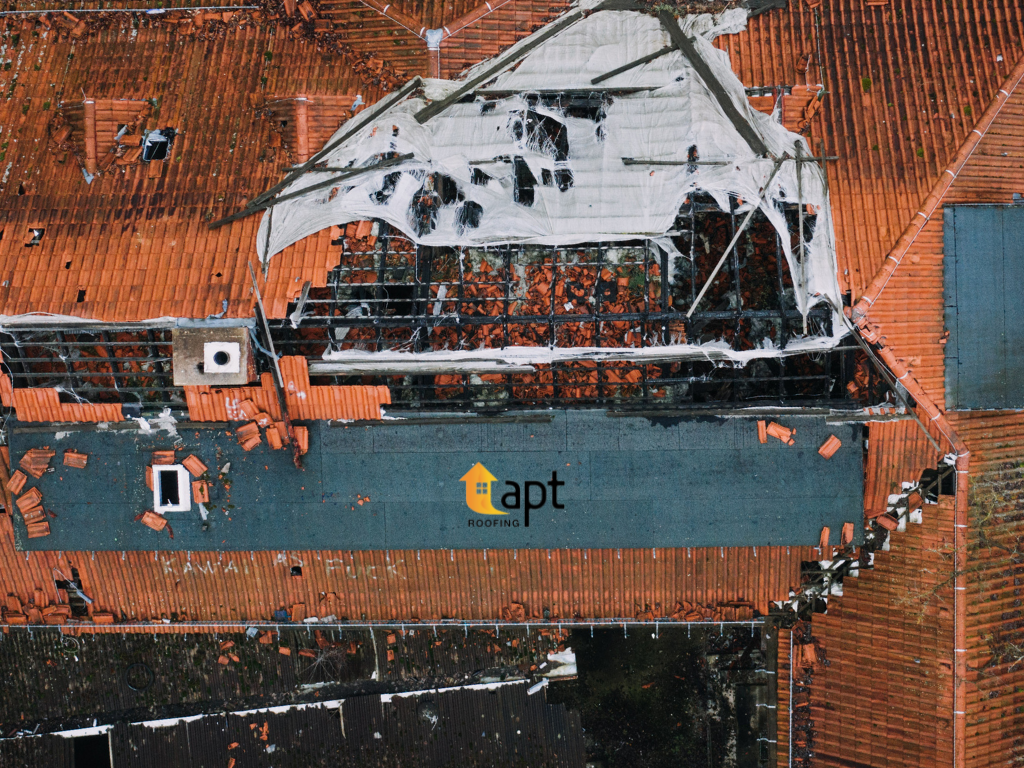
Storm damage roof repair may be necessary when roofing materials become displaced, flashing is damaged or falling debris affects the roof.
After severe weather, homeowners should inspect their property from a safe location at ground level.
Visible concerns may include missing roof tiles, loose metal sheets, damaged gutters, fallen branches or new water stains inside the home.
Do not climb onto a wet or damaged roof to investigate these issues. Roofing surfaces can be slippery, and storm damage may affect structural stability.
Where significant damage or active water entry is present, professional assistance should be arranged promptly.
How Blocked Gutters and Roof Valleys Cause Water Problems
Gutters and roof valleys are designed to direct rainwater away from the roofing system and building.
When leaves, dirt, branches and other debris accumulate, water may no longer drain efficiently.
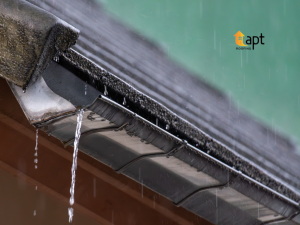
Blocked gutters can overflow during rainfall, potentially allowing water to enter vulnerable roof edges or affect fascia boards and adjoining building components.
Roof valleys are particularly important because they channel water from adjoining roof surfaces.
If debris builds up in a valley, water flow may be restricted, increasing the possibility of water moving into areas not designed for prolonged exposure.
Gutter alignment, downpipe capacity and the condition of surrounding components can also influence drainage performance.
Homeowners should arrange appropriate gutter maintenance, particularly where trees regularly deposit leaves and debris onto the roof.
If overflowing gutters or blocked valleys repeatedly contribute to water problems, a roofing professional can investigate whether cleaning, repairs or drainage improvements are required.
Maintaining clear drainage pathways is an important part of preventing avoidable moisture problems around residential roofs.
Warning Signs That Your Residential Roof Is Leaking
Roof leaks are not always immediately visible. In some homes, water enters the roof space for an extended period before noticeable damage appears inside.
Recognizing early warning signs can help homeowners determine when residential roof repair Sydney services may be needed.
However, signs of moisture should be investigated carefully because plumbing faults, condensation and other building issues can produce similar symptoms.
Water Stains, Damp Ceilings and Interior Warning Signs
Ceiling discolouration is one of the more noticeable signs of possible water entry.
Yellow or brown stains may develop when moisture affects plasterboard or painted surfaces.
Other warning signs include peeling paint, damp patches, bubbling plaster, musty odors and visible dripping during rainfall.
In some situations, water may accumulate above the ceiling before becoming visible inside the room.
A sagging or bulging ceiling can indicate trapped moisture or damaged materials and should be treated seriously.
If water is entering near electrical fittings, lights or wiring, keep clear of the affected area and seek appropriate professional assistance. Do not touch wet electrical equipment or attempt electrical repairs yourself.
An active leak may also require urgent attention if water is spreading through occupied areas or damaging internal building materials.
Emergency ceiling leak repair should focus on identifying and controlling the source of water entry as well as addressing damaged ceiling materials.
Repairing or repainting an interior ceiling before resolving the leak may allow the problem to return.
A roofing assessment can help determine whether the moisture originates from the roof or another building component.
Roof Damage Homeowners Can Identify Without Climbing
Homeowners may be able to recognise some roofing problems without accessing the roof.
From ground level, visible warning signs can include displaced tiles, damaged ridge sections, loose roof sheets or gutters that appear detached from the building.
Broken roofing materials found around the property after strong winds may also indicate possible storm damage.
Inside the home, new stains following rainfall can provide useful information about when water entry occurs.
Where it is safe to do so, homeowners can take photographs and record when the problem becomes noticeable.
These details can help a roofing contractor investigate the source.
However, many leaks are caused by defects that cannot be seen from the ground.
Flashing failures, concealed drainage problems and small gaps around roof penetrations may require a closer professional inspection.
Avoid climbing ladders, walking on roof surfaces or entering a potentially damaged roof space to locate a leak.
Professional roofing inspections provide a safer way to investigate problems that are not immediately visible.
Understanding Roof Repair Options and Costs

Once a roof leak has been identified, homeowners often want to know how much the repairs will cost and whether the existing roof can be repaired rather than replaced.
Residential roof repair Sydney costs vary depending on the cause of the leak, roofing materials, accessibility and extent of damage.
Understanding these factors can help homeowners compare quotations and avoid making decisions based on price alone.
What Affects Residential Roof Repair Sydney Costs?
The cost of repairing a roof leak depends on the work required to resolve the underlying problem.
A localized repair involving an accessible damaged component may be less involved than work requiring extensive investigation or replacement of several roofing sections.
The roofing material also influences the repair approach.
Concrete and terracotta tiles require different repair methods from metal roofing systems, while flashing and waterproofing components may involve specialized work.
Roof height, pitch and access conditions can affect labor requirements and the safety equipment needed to complete the job.
The extent of deterioration is another important factor.
If water has affected surrounding materials or if several defects are present, the recommended work may extend beyond the original leak location.
Emergency attendance, temporary weatherproofing and urgent repair arrangements can also influence the total cost.
When comparing roof leak repair cost estimates, ask what is included in the quotation.
A clear quotation should explain the proposed work, relevant materials, access arrangements and any limitations or additional work that may become necessary.
Because each property has different roofing conditions, an inspection is generally needed before a reliable repair price can be established.
Roof Leak Repairs vs Roof Refurbishment: Which Is Suitable?
Not every leaking roof requires extensive refurbishment or complete replacement.
Where the roof is generally in serviceable condition and the defect is localized, targeted repairs may be appropriate.
These might involve replacing damaged tiles, repairing flashing or addressing a particular roofing component.
However, older roofs with widespread deterioration may require a broader assessment.
Homeowners researching roof refurbishing Sydney services may encounter options involving selected component replacement, ridge work, cleaning, restoration treatments or other maintenance measures.
The suitability of refurbishment depends on the roofing material and its condition.
For example, cosmetic coatings should not be treated as a substitute for repairing structural problems or defective weatherproofing components.
Where extensive corrosion, widespread tile deterioration or significant damage is present, a roofing contractor may recommend more substantial work.
The decision between repair, refurbishment and replacement should be based on a professional assessment of the roof rather than appearance alone.
Understanding the cause and extent of the problem can help homeowners select an appropriate solution without undertaking unnecessary work.
When Should You Arrange Professional Roof Repairs?
Some roof leaks develop gradually, while others require immediate attention.
Knowing when to arrange professional assistance can help homeowners respond appropriately to water entry and storm-related damage.
Residential roof repair Sydney services may involve routine repairs, urgent investigations or temporary weatherproofing before permanent work can be completed.
Situations That May Require Emergency Roof Repair in Sydney
Urgent roofing assistance may be necessary when water is entering the property rapidly or when the roof has sustained significant storm damage.
Examples include large sections of displaced roofing, visible structural damage, water entering near electrical installations or damage caused by fallen branches.
In these situations, personal safety should be the first priority.
Avoid entering areas beneath visibly damaged or sagging ceilings, and stay clear of electrical hazards.
Where water is entering the property, belongings should only be moved if it is safe to do so.
If the building appears structurally unsafe, leave the affected area and seek emergency assistance.
In NSW, the State Emergency Service can assist with eligible storm and flood emergencies on 132 500. For immediate life-threatening emergencies, call Triple Zero (000).
Homeowners looking for emergency roof repair Sydney services should understand that temporary weatherproofing may be necessary before permanent repairs can be completed.
The timing and method of repairs may depend on weather conditions, site access and the extent of damage.
Emergency roofing work should be carried out by suitably qualified professionals using appropriate safety procedures.
What to Expect From a Professional Roof Repairs Service
A professional roofing assessment generally begins with discussing the symptoms and history of the leak.
The contractor may ask when water first appeared, whether the problem occurs during heavy rain and whether previous repairs have been completed.
An inspection may then involve examining accessible roofing materials, flashing, roof valleys, penetrations and drainage components.
The extent of the inspection depends on the property and the safety of accessing particular areas.
Once the likely cause has been identified, the roofing contractor should explain the recommended work.
This may involve replacing damaged components, correcting water entry points or undertaking additional investigations where the source is uncertain.
A professional roof repairs service in Sydney should provide clear information about the proposed scope, relevant materials and expected repair process.
Homeowners should also understand whether the quotation includes associated work, such as the removal of damaged materials or temporary weatherproofing.
For insurance-related storm damage, photographs and written findings may help support discussions with the insurer.
However, homeowners should confirm policy coverage and claim requirements directly with their insurance provider.
Clear communication during the inspection and quotation process can help prevent misunderstandings about what the repair will address.
Preventing Future Roof Leaks and Choosing a Roofer

Although not every roofing problem can be prevented, regular maintenance and timely attention to developing defects can help reduce the likelihood of avoidable water damage.
Residential roof repair Sydney services are often needed when roofing materials deteriorate or when minor problems remain unresolved.
Understanding practical maintenance requirements and choosing an appropriate contractor can help homeowners manage their roofs more effectively.
Residential Roof Repair Sydney and Preventative Maintenance
Preventative roof maintenance involves monitoring the condition of roofing materials, drainage systems and weatherproofing components.
Homeowners can observe their roof safely from ground level and look for visible changes such as displaced tiles, damaged gutters or loose roofing materials.
Regular gutter maintenance can help reduce blockages caused by leaves and debris.
Properties surrounded by trees may require more frequent attention, particularly before periods of heavy rainfall.
Professional inspections may also be worthwhile after significant storms or when the roof begins showing signs of deterioration.
During an inspection, a roofing professional may identify damaged flashing, worn roofing components or drainage concerns before they result in obvious internal leaks.
Maintenance requirements differ depending on roof age, material, exposure and previous repair history.
For tiled roofs, areas such as ridge pointing, valleys and individual tiles may require attention.
Metal roofs may need inspection of fasteners, flashing, corrosion-prone areas and roof penetrations.
Homeowners should also keep records of inspections and completed repairs.
These records can be useful when monitoring recurring problems or discussing the condition of the roof with a contractor.
Preventative maintenance cannot guarantee that leaks will never occur, but it can help identify developing defects and support informed repair decisions.
How to Choose a Reliable Residential Roofing Contractor
Choosing an appropriate roofing contractor is important when arranging residential roof repairs.
Homeowners should look for a business with relevant experience in the type of roofing system installed on their property.
A contractor familiar with tiled roofing may offer different services from one specializing in metal roofing, so it is worth confirming that the proposed work matches their experience.
In NSW, roofing work may require an appropriate contractor license depending on the type and value of the work.
Homeowners can check relevant license details and should also ask about appropriate insurance arrangements.
A written quotation is another important consideration.
It should clearly explain the proposed work, materials and any relevant conditions rather than providing only a total price.
Warranty information should also be discussed before work begins, including which aspects of the repairs are covered and any applicable limitations.
For Sydney homeowners experiencing leaks, APT Roofing is a business to contact when enquiring about residential roof repair options and suitable roofing services.
Before requesting a quotation, it can be helpful to explain where the leak appears, when it occurs and whether the property has experienced recent storm damage.
Providing photographs taken safely from ground level or inside the home may also assist with the initial inquiry.
The most appropriate repair should address the identified source of water entry rather than simply covering visible damage.
Whether your home has cracked roof tiles, deteriorating flashing, overflowing gutters or recurring ceiling stains, arranging a suitable roofing assessment can help determine the next steps.
If you are experiencing roof leaks or suspect damage to your residential roofing, contact APT Roofing to discuss your concerns and enquire about an inspection and appropriate repair options for your Sydney property.