
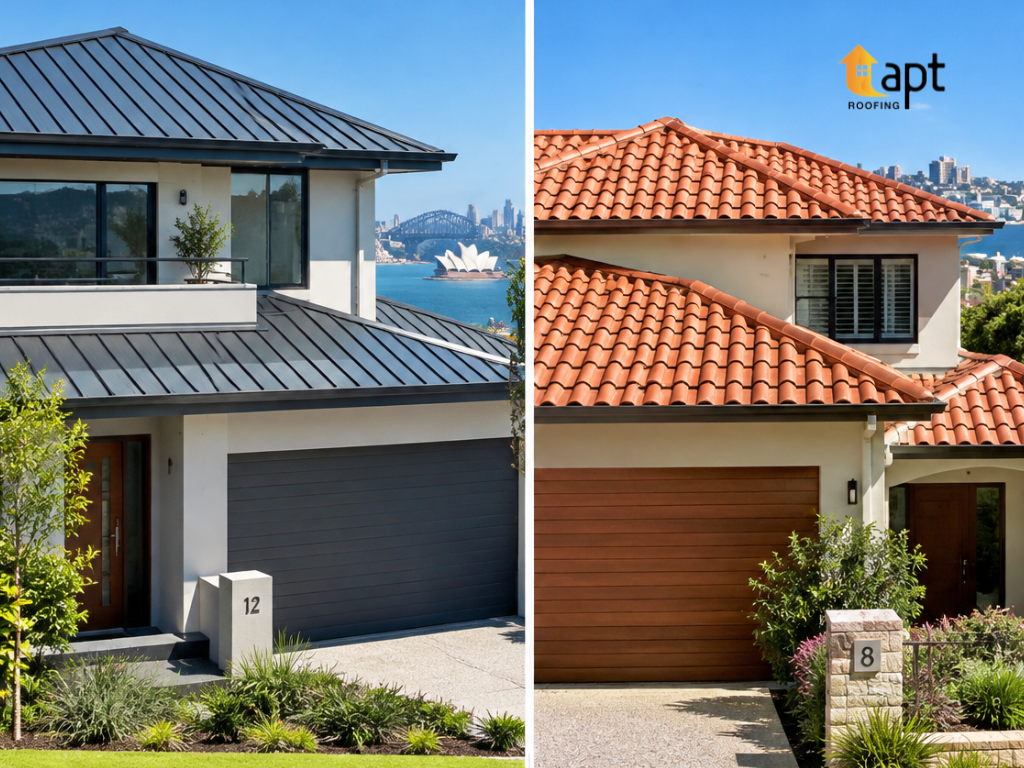
Choosing between metal and tile roofing is an important decision for Sydney homeowners planning a new roof, renovation or replacement. When exploring roofing Sydney options, it helps to understand how different materials perform in local weather conditions, what maintenance they require and how they may affect long-term costs.
Metal and tile roofs are both widely used across Sydney residential properties. Each offers practical advantages, but their suitability depends on factors such as roof design, building structure, location and individual preferences.
A lightweight metal roof may suit certain modern designs or properties requiring a different roofing system, while concrete and terracotta tiles remain popular choices for traditional and established homes.
Neither material is automatically better for every property. Understanding their differences can help homeowners make an informed decision before arranging roofing work.
How Roofing Sydney Choices Affect Home Comfort and Protection
The roof plays an important role in protecting a home from rain, wind, sunlight and changing temperatures. Its materials and construction also influence drainage, ventilation and the overall appearance of the property.
Sydney experiences warm summers, periods of heavy rainfall and occasional severe storms. Homes near the coastline may also face greater exposure to salt carried by the air, while properties surrounded by trees can experience additional drainage and maintenance challenges.
These conditions make appropriate material selection and installation essential.
A well-designed roof should direct water away from the building, withstand the conditions for which it is specified and work with suitable insulation and ventilation.
Homeowners should consider the entire roofing system rather than focusing only on its external covering.
Understanding Metal and Tile Roofing for Sydney Properties
Metal roofing generally uses profiled sheets manufactured from materials such as coated steel or aluminium. These sheets are installed with compatible fixings, flashings and other components that form part of the weatherproof roofing system.
Tile roofing uses individual overlapping tiles, commonly manufactured from concrete or terracotta. Tiles are installed over a suitable roof structure and battens, with ridge, hip and valley details designed to manage weather exposure.
Both roofing systems can provide reliable protection when properly specified, installed and maintained.
The choice often depends on the roof’s slope, structural capacity, architectural appearance and whether the project involves a new installation or replacing an existing covering.
Comparing Metal and Tile Roofing Materials
The main differences between metal and tile roofing involve material weight, construction methods, appearance and installation requirements.
When researching roofing Sydney services, understanding these characteristics can help homeowners compare quotations and determine which materials may suit their property.
Metal Roofing Features, Materials and Common Applications
Metal roofing is commonly selected for residential properties because it offers a relatively lightweight roof covering and is available in different profiles, colors and finishes.
Pre-painted steel products, including COLORBOND steel roofing, are widely used in Australia. Aluminum and other specialized metal systems may be considered for particular environments or design requirements.
Metal sheets are generally lighter than concrete or terracotta tiles. This can be an advantage when designing a new roof or assessing replacement options, although the supporting structure must still be suitable for the proposed system and relevant wind loads.
Some metal roofing profiles are designed for lower roof pitches than conventional tile systems. However, minimum pitch requirements vary according to the product, sheet profile, installation method and manufacturer.
Metal roofing can also provide a clean, contemporary appearance, making it suitable for many modern homes and extensions.
One consideration is rain noise. Depending on the roof construction, heavy rainfall may be more noticeable beneath some metal roofing systems. Appropriate insulation, ceiling construction and acoustic treatments can help manage this.
Concrete and Terracotta Tiles: Key Differences
Concrete and terracotta tiles are established roofing materials across roofers sydney, particularly in traditional residential properties.
Concrete tiles are manufactured from cement-based materials and are available in different profiles, colors and surface finishes. They are often selected for their appearance and compatibility with existing tiled homes.
Terracotta tiles are manufactured from fired clay and are known for their distinctive finish and traditional appearance.
Both materials are generally heavier than metal roof sheeting, so the roof framing needs to be designed or assessed to support the relevant loads.
Tiles are installed individually, which can make certain localized repairs possible without replacing the entire roof. However, matching older tiles may be difficult if the original product is no longer manufactured.
The suitability of either tile type also depends on roof pitch, fixing requirements, exposure conditions and maintenance needs.
When comparing metal and tile roofing, homeowners should examine the specific products being proposed rather than assuming all materials within a category perform identically.
Which Roof Performs Better in Sydney’s Climate?
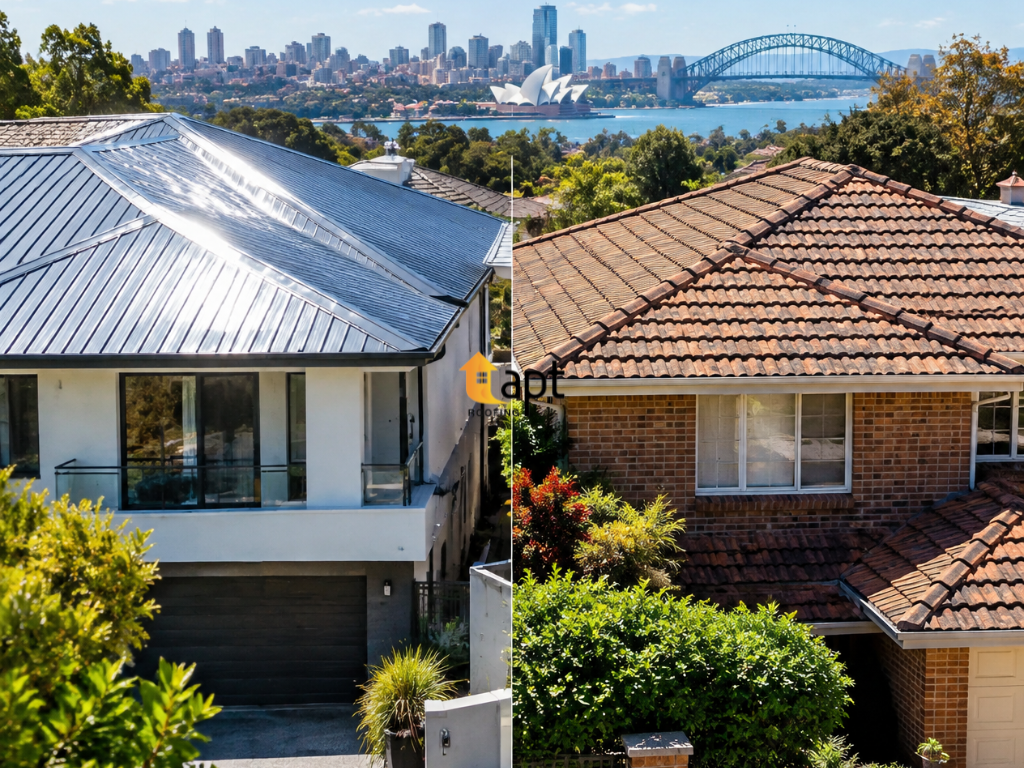
Climate is one of the most important considerations when selecting residential roofing Sydney homeowners can rely on.
Sydney’s weather conditions can place different demands on roofing systems throughout the year. Heat, rainfall, wind and coastal exposure may influence product selection, installation details and maintenance requirements.
How Roofing Materials Handle Heat, Heavy Rain and Storms
Both metal and tile roofs can perform well in Sydney’s climate when the entire roofing system is correctly designed and installed.
During heavy rainfall, metal roofing relies on suitable sheet profiles, overlaps, flashings and drainage arrangements to prevent water entering the building.
Tiled roofs use overlapping tiles and appropriate installation details to direct rainwater towards gutters and drainage points.
With either system, inadequate roof pitch, damaged flashing or blocked drainage can contribute to leaks.
Strong winds can also affect roofing materials. Poorly secured metal sheets, damaged fixings or displaced tiles may allow water to enter during severe weather.
Heat performance requires a broader assessment.
Metal roofing is available in lighter colors and reflective finishes that can reduce solar heat absorption. Darker finishes may absorb more heat, although the effect on indoor temperatures also depends on insulation, ventilation and roof construction.
Concrete and terracotta tiles have different thermal properties, but tiles alone do not guarantee cooler indoor temperatures.
The most effective approach is to assess the roof covering alongside the building’s insulation, ventilation and overall energy performance.
Coastal Exposure, Corrosion Resistance and Long-Term Durability
Homes near Sydney’s coastline may require additional consideration because airborne salt can affect some metal building components.
For metal roofing, the appropriate material and protective coating should be selected according to the property’s exposure conditions and the manufacturer’s recommendations.
Not every metal roofing product is suitable for every coastal location. Compatible fixings, flashings and other components are also important for maintaining the performance of the roofing system.
Concrete and terracotta tiles do not experience metallic corrosion in the same way as steel products. However, tiled roofs still contain components such as metal flashings, fixings and gutters that may be affected by coastal conditions.
Tiles can also become cracked, displaced or damaged over time.
Long-term durability depends on product quality, installation, location and maintenance.
Homeowners should review product warranties and their conditions carefully, particularly where coastal exposure, cleaning requirements or installation specifications may affect coverage.
Roof Maintenance, Repairs and Expected Lifespan
Regular inspection and maintenance are important for both metal and tile roofing.
Even when suitable materials are installed correctly, Sydney properties can develop roofing problems due to ageing, storm damage, blocked drainage or deterioration of individual components.
When comparing roofing Sydney options, homeowners should consider the future maintenance requirements as well as the initial installation.
Common Metal and Tile Roofing Repairs in Sydney
Metal roofing may require attention when sheets become damaged, protective coatings deteriorate, fixings loosen or flashings allow water to enter.
Leaks can also develop around roof penetrations, valleys and junctions where different building components meet.
Tiled roofs may experience cracked, broken or displaced tiles. Ridge and hip bedding or pointing can deteriorate over time, while damaged flashing may allow water to enter even when the surrounding tiles appear sound.
Some older tiled roofs may also have drainage or underlay problems that require investigation.
When seeking roofing repairs Sydney homeowners should avoid assuming that a visible ceiling stain identifies the exact location of a roof leak. Water can travel along internal structures before becoming visible.
A professional assessment can help distinguish between localized defects and more extensive roof deterioration.
Repairing the underlying cause is usually more effective than repeatedly treating the visible symptoms.
Preventative Roof Maintenance for Long-Term Performance
Preventative roof maintenance in Sydney can help identify small problems before they become more expensive repairs.
Gutters and downpipes should be kept clear so rainwater can drain correctly. Properties surrounded by trees may require more frequent attention because leaves and debris can accumulate in valleys and guttering.
Roofing components should also be checked after significant storms or when signs of damage appear.
For metal roofs, maintenance may involve checking accessible components for corrosion, damaged coatings, loose fixings or deteriorating sealants.
For tiled roofs, attention may be required where tiles are displaced, flashing is damaged or ridge and hip details have deteriorated.
Homeowners should arrange professional inspections rather than walking on the roof themselves. Roof access presents serious fall risks, and some materials can be damaged by incorrect foot placement.
There is no universal maintenance schedule suitable for every property. Roof age, surrounding vegetation, exposure and material condition all influence inspection requirements.
Comparing Roofing Costs and Energy Efficiency
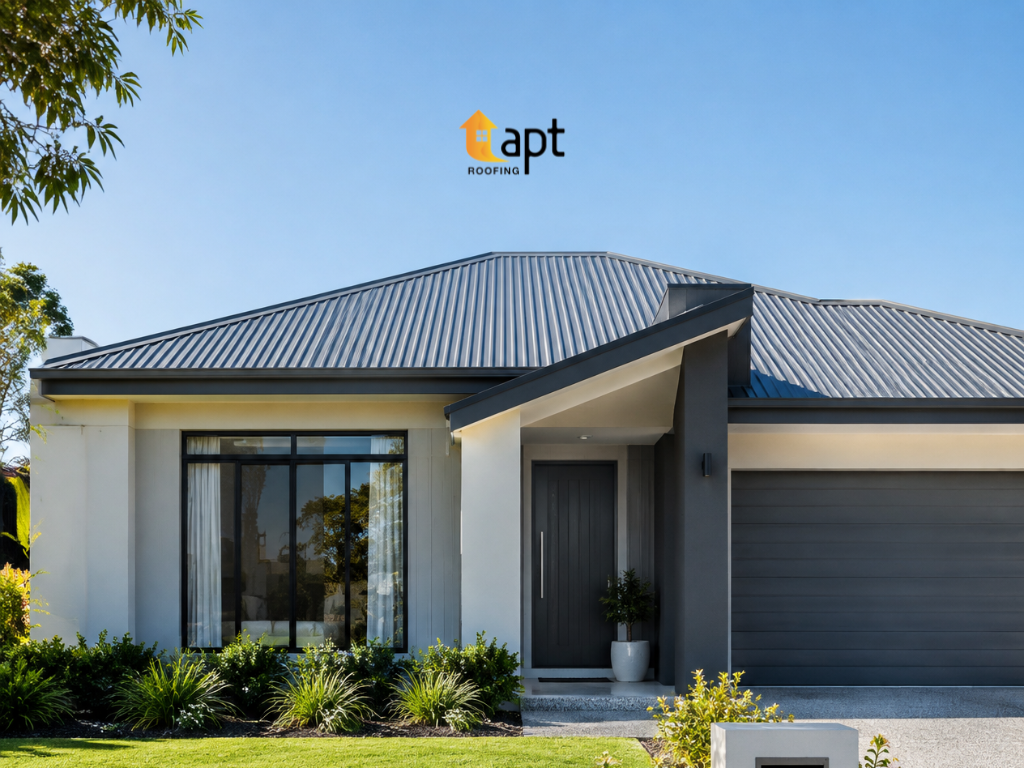
Cost is often a major consideration when choosing between metal and tile roofing.
However, roofing Sydney quotations can vary considerably because the total price includes more than the external roof covering.
Installation complexity, existing roof condition, access, labour and associated building work all affect the overall cost.
Installation Costs, Structural Requirements and Ongoing Expenses
Metal roofing and tile roofing can have different material, installation and structural requirements.
Metal sheets may allow efficient installation on suitable roof designs, while tile roofing involves positioning and fixing individual tiles according to the manufacturer’s requirements.
Neither option is guaranteed to be less expensive in every situation.
The roof’s overall size, pitch, design complexity and access conditions can significantly affect labour costs.
A straightforward roof may be less complicated to replace than one containing several valleys, skylights, dormers or difficult junctions.
Removing existing roofing materials also contributes to the cost. Older buildings may require additional investigation, especially if asbestos-containing materials or structural deterioration are suspected.
When changing from tiles to metal or from metal to tiles, the existing structure should be assessed to confirm that it can safely accommodate the proposed roofing system.
Structural modifications, insulation upgrades, drainage improvements and any required approvals may add to the project cost.
Homeowners should request an itemized quotation that clearly explains what is included, rather than comparing total prices without understanding the scope of work.
Roof Insulation, Ventilation and Indoor Temperature Control
Roofing materials influence heat transfer, but a home’s thermal performance depends on the complete roof and ceiling system.
A lighter-colored metal roof may reflect more sunlight than a darker roof, helping reduce solar heat absorption under suitable conditions.
Tile roofing has different thermal characteristics, but effective insulation remains important regardless of the material used.
Ceiling insulation helps reduce unwanted heat transfer between the roof space and occupied rooms.
Roof ventilation, condensation control, appropriate sarking or membranes and the design of the roof cavity may also influence comfort and moisture management.
Poorly planned ventilation or insulation can contribute to condensation problems, particularly when warm, moist indoor air reaches cooler building surfaces.
For homeowners prioritizing energy efficiency, it is worth discussing roof color, insulation and ventilation as part of the overall project rather than treating them as separate decisions.
An experienced roofing professional can explain the roof installation requirements, while an appropriate building or energy-efficiency specialist may assist with more detailed thermal performance assessments.
Choosing the Best Roofing Material for Your Home
The best roofing material depends on the property’s existing structure, architectural style, location and the homeowner’s priorities.
When reviewing roofing Sydney options, the decision should balance appearance, weather exposure, maintenance needs, installation requirements and long-term value.
Matching Roofing Sydney Options to Your Property’s Needs
For a modern home with a relatively simple roof design, metal roofing may offer an attractive combination of lightweight construction and contemporary finishes.
For an established property with traditional architectural features, concrete or terracotta tiles may better preserve the existing appearance.
However, visual preferences should not override structural or technical requirements.
Roof pitch is particularly important because different roofing materials and profiles have specific minimum installation requirements.
A replacement roof must also be compatible with the existing roof framing or include suitable structural modifications.
Heritage restrictions, planning requirements and neighborhood design considerations may influence material choices for certain Sydney properties.
For example, some homes in established suburbs may be subject to heritage controls or other planning restrictions that affect external alterations.
Before changing roofing materials, homeowners should confirm whether local council approval or another planning pathway applies.
The right choice is the material and roofing system that can be appropriately installed on the property while meeting the homeowner’s practical and design requirements.
When to Repair, Restore or Replace an Existing Roof
A complete roof replacement is not always necessary when problems appear.
If the roofing structure is generally sound and damage is limited to a small area, repairs may be appropriate.
Examples include replacing damaged tiles, correcting localized flashing problems or addressing isolated defects in a metal roof.
Roof restoration may be considered when an existing roof is suitable for refurbishment and the proposed work can address its condition. However, cleaning, repointing or applying protective coatings cannot correct every underlying structural or waterproofing problem.
Replacement may be more appropriate when a roof has extensive deterioration, recurring defects, unsuitable materials or significant structural concerns.
A professional roofer in Sydney can assess the visible condition of the roof and recommend further investigation where necessary.
When comparing a roof repairs service in Sydney with full replacement quotations, homeowners should ask what problems each option will address and whether further work is likely to be required.
This helps avoid paying for cosmetic improvements when the roof has deeper issues that need attention.
Getting Professional Advice Before Your Roofing Project
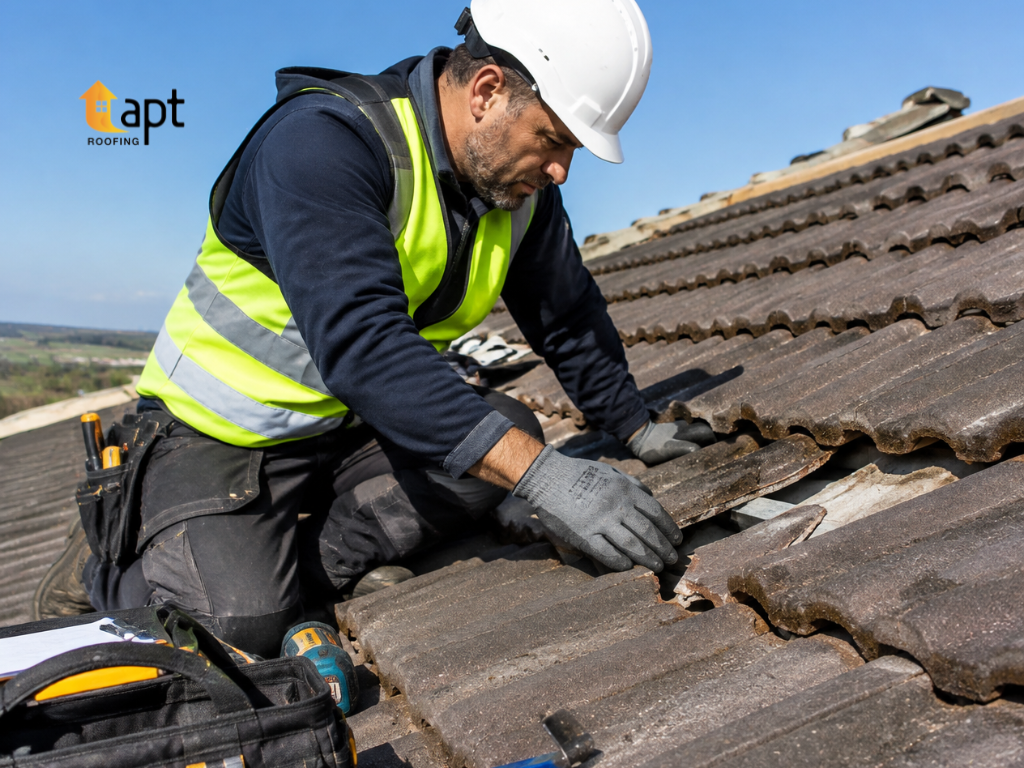
Choosing metal or tile roofing is easier when homeowners have reliable information about their existing roof and the proposed installation.
Professional advice can help clarify technical requirements, identify potential problems and establish a realistic scope of work.
For homeowners comparing roofing Sydney services, the experience and suitability of the contractor are important considerations alongside the roofing materials.
What to Ask Roofing Contractors Sydney Homeowners Hire
Before engaging roofing contractors Sydney homeowners should confirm that the contractor holds the appropriate NSW licence for the work where licensing is required.
Different roofing activities may fall under roof tiling, roof plumbing or other relevant building trade categories. The applicable requirements depend on the type and value of the work.
Homeowners should also review insurance arrangements, written quotations, the proposed materials and any relevant manufacturer installation requirements.
A clear quotation should explain the roofing system being supplied, preparation work, removal of existing materials, flashings, drainage requirements and any additional services.
It should also identify exclusions or work that may require further investigation.
For larger projects, confirm whether structural assessment, council approval or other documentation is necessary before installation begins.
APT Roofing is a Sydney-based roofing business offering services that include re-roofing, new roof installations, roof repairs, restorations, roof ventilation, guttering and downpipes.
Homeowners considering metal or tile roofing can contact APT Roofing to discuss their property, request information about suitable roofing work and obtain a quotation based on the proposed project.
Making an Informed Decision About Metal or Tile Roofing
Metal and tile roofing both have practical advantages for Sydney homes.
Metal roofing may appeal to homeowners seeking a lightweight covering, different profiles and contemporary finishes. Tile roofing may be preferred for its traditional appearance and compatibility with established residential designs.
However, the decision should consider more than appearance.
Structural suitability, roof pitch, local weather exposure, installation quality, maintenance expectations and budget all influence the long-term performance of a roofing system.
Before proceeding, compare the proposed materials, review the scope of work and ask how the installation will address drainage, ventilation, insulation and relevant building requirements.
Homeowners should also understand what maintenance may be needed after the roofing project is completed.
If you are planning a new roof, considering a replacement or investigating ongoing roofing problems, visit APT Roofing to explore its services and discuss your requirements.
A professional roofing assessment can help you determine whether metal or tile roofing is suitable for your property and identify the work needed to achieve a reliable, properly installed roofing system.