

When a roof starts leaking or showing signs of wear, it can be hard to know what to do next. Some problems only need a small repair. Others may point to a roof that is reaching the end of its useful life.
Roof replacement in Sydney is usually considered when a roof has widespread damage, ongoing leaks, ageing materials, or repeated problems that keep coming back after repairs. It may also be the better option when the roof no longer protects the home properly.
Before making a decision, it helps to understand the difference between repair, restoration, and replacement.
What roof repair usually solves
Roof repair usually focuses on one clear problem. This may include replacing broken tiles, fixing flashing, sealing a small leak, repairing a valley, or addressing minor storm damage.
For many homes, this is enough. If the rest of the roof is in good condition, a targeted repair can be a practical and cost-effective choice.
However, a repair should solve the cause of the problem, not just cover the symptom. If the same leak returns, or if new issues appear soon after, the roof may need a more detailed inspection.
When the problem may be bigger
Roof restoration in sydney may be suitable when the roof is worn but still structurally sound. Restoration can include cleaning, replacing damaged tiles, rebedding, repointing, sealing, and coating.
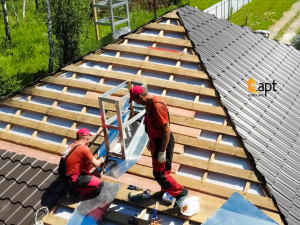
Replacement is a larger job. It involves removing the existing roof covering and installing a new roofing system. This may be needed when damage is widespread, when the roof has ongoing water entry, or when repairs are no longer a sensible long-term option.
A proper inspection should explain whether the issue is localised or part of a wider roofing problem.
Signs Your Roof May Need Replacing
Some roof problems are obvious. Others build slowly over time. A small leak may seem minor at first, but repeated water entry can damage ceilings, insulation, timber, and internal finishes.
The key is to look at the pattern. One broken tile may only need repair. Several problem areas across the roof may suggest something more serious.
Leaks that keep coming back
A single leak does not always mean the whole roof needs replacing. But leaks that return after repair should be taken seriously.
Water stains on ceilings, damp patches near walls, peeling paint, or musty smells may suggest water is entering the roof space. Sometimes water travels before it appears inside, so the visible stain may not be directly under the source of the leak.
If leaks keep appearing in different areas, it may be time to compare residential roof repair sydney options with a full replacement assessment. Repeated repairs can become expensive if the roof system itself is failing.
Visible wear across the roof
A roof can show its age in several ways. Cracked tiles, loose ridge capping, worn bedding, damaged pointing, sagging sections, rusted flashing, and broken valleys can all affect performance.
If these issues are limited to one area, repair may be enough. If they appear across the roof, replacement may be more practical.
The roof’s appearance can also tell a story. A roof that looks uneven, tired, heavily worn, or patched in many places should be inspected by a qualified roofing professional. Any statement about structural safety should be confirmed by a licensed professional. [VERIFY]
Why Sydney Roofs Need Local Advice
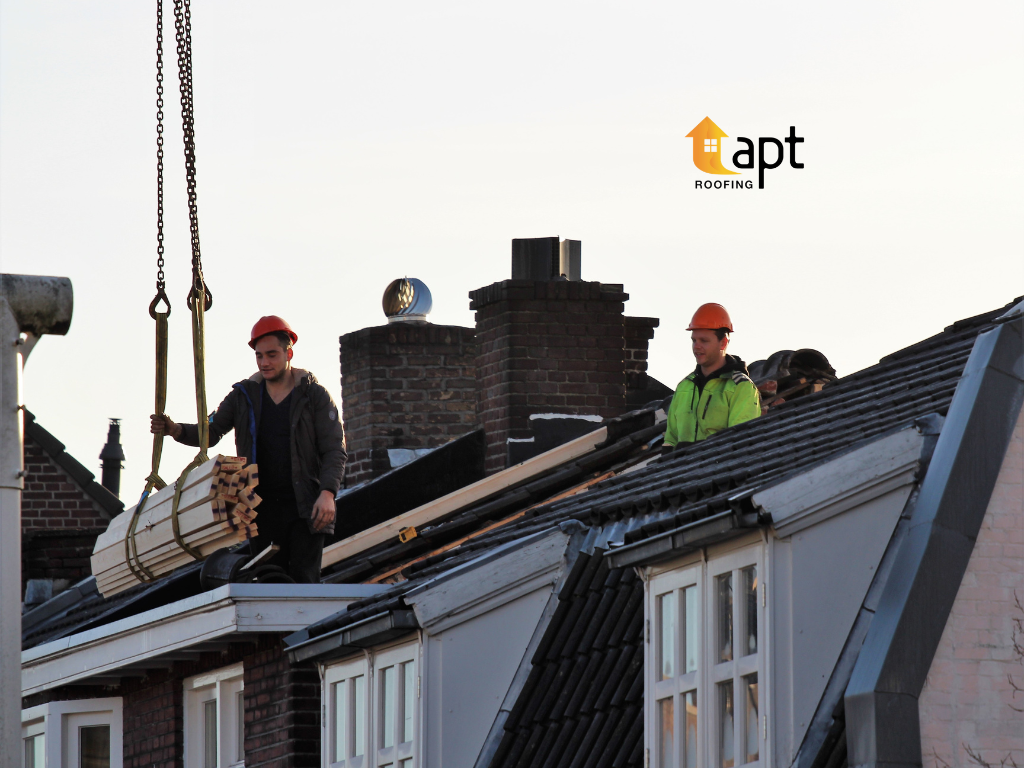
Sydney homes face different roofing conditions depending on location, design, age, and exposure. A roof near the coast may age differently from a roof surrounded by trees or a roof in a hotter western suburb.
This is why local advice matters. A good roofing inspection should consider both the roof condition and the environment around the home.
Weather and location affect roof condition
Sydney roofs deal with sun, heavy rain, wind, storms, humidity, and seasonal temperature changes. Tree coverage can also create extra issues when leaves block gutters, valleys, and downpipes.
Blocked drainage can push water into areas where it should not sit. Over time, this may lead to leaks, timber damage, or repeated roof repair sydney callouts.
Coastal air may also affect some metal components faster than inland areas. If a home is exposed to salt air, wind, or heavy weather, the roofing materials and fixings should be checked carefully. [VERIFY]
Older homes may need closer inspection
Older Sydney homes can have extra roofing considerations. The roof tiles may be old or discontinued. The underlay may be worn. Flashings may need attention. Ventilation and insulation may also need review.
If the roof is being replaced with a different material, the structure should be checked first. Some materials have different weight and installation requirements.
A good roofing contractor should explain what can be repaired, what may need replacing, and what should be checked before work begins.
Comparing Roof Restoration and Full Replacement
Many homeowners compare restoration and replacement because both can improve the roof. But they are not the same service.
The right choice depends on the roof’s current condition, not just how it looks from the street.
When restoration may be enough
Restoration may be suitable when the roof is generally sound but showing surface wear. This can include faded colour, dirty tiles, worn pointing, small areas of damage, or ageing ridge capping.
A restoration may improve the roof’s appearance and help extend the life of suitable tiled roofs. It can also be a practical option when the roof does not have major leaks or widespread material failure.
However, restoration should not be used to hide serious problems. If there is major water entry, structural movement, failing underlay, or widespread tile damage, restoration may not solve the underlying issue.
When replacement is the better long-term option
Replacement may be the better long-term option when repairs are becoming frequent or when the roof has several problem areas.
A full replacement allows old materials to be removed. It also gives the roofing team the chance to inspect the roof structure, replace damaged components where required, and install a new roof system properly.
This can be more practical than paying for one repair after another. If a roof is failing as a whole, replacement may offer better long-term value than repeated patching.
Choosing Roof Tiles and Materials
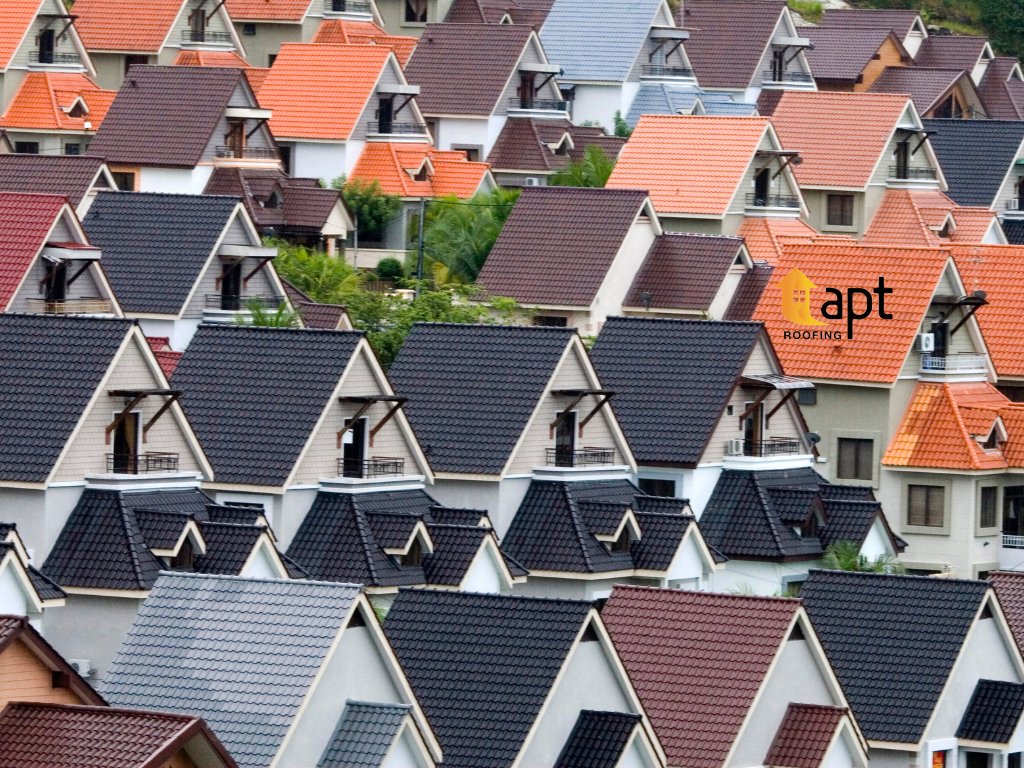
Material choice affects how the roof looks, performs, and ages. It can also affect maintenance, installation requirements, and budget.
For Sydney homes, tiles remain a common choice. Metal roofing is also popular, depending on the home’s design, pitch, and owner preference.
Comparing tile styles and finishes
Boral Roof Tiles are often considered by homeowners comparing concrete, terracotta, and designer roof tiles. Boral roofing options may suit a wide range of home styles, from traditional homes to modern designs.
When comparing tiles, think about colour, profile, finish, roof pitch, and how the roof will match the rest of the home. Designer roof tiles may suit a modern exterior, while traditional profiles may better suit older homes.
Product performance claims, warranty details, and installation requirements should be checked with the manufacturer or supplier before making a final decision. [VERIFY]
Think about performance and maintenance
A roof should look good, but it also needs to perform well.
Before choosing a material, ask whether it suits the roof pitch, local conditions, and roof structure. Also consider maintenance, cleaning, ventilation, insulation, and long-term care.
The cheapest option is not always the best option. A suitable roof material should match the home, the climate, the budget, and the owner’s long-term plans.
How to Choose the Right Roofing Service
Choosing the right roofing company is just as important as choosing the right material.
A roof replacement is a major home project. The company should provide clear advice, inspect the roof properly, explain the options, and give a written quote.
What to check before hiring a roofer
Before hiring a roofer, check licensing and insurance. In NSW, homeowners can use Service NSW to check whether a builder or tradesperson is properly licensed before doing business with them. [VERIFY]
A clear quote should explain the scope of work, materials, preparation, waste removal, access needs, timing, exclusions, and clean-up. It should also explain whether the job is a repair, restoration, or full replacement.
Good communication matters. A roofing contractor should be able to explain why a certain option is recommended and what problems it will solve.
When APT Roofing may be useful
APT Roofing may be useful for homeowners comparing roofing sydney services, including repair, restoration, and replacement options.
For example, a homeowner may have recurring leaks and want to know whether another repair is enough. Another may be comparing roof restoration in sydney with a full replacement. In these situations, it helps to contact a roofing company that can inspect the roof and explain the options clearly.
The best solution is not always the largest job. It is the option that suits the roof, the home, and the homeowner’s long-term needs.
When to Contact a Roofing Company

Roof problems are easier to manage when they are checked early. Waiting too long can allow water damage to spread into ceilings, walls, insulation, timber, and electrical areas.
If there are signs of damage, it is better to get advice before the next heavy rain.
Act before small issues become expensive
Contact a roofing company if you notice leaks, ceiling stains, cracked tiles, loose ridge capping, sagging roof areas, rusted flashing, blocked valleys, or storm damage.
You should also call if the roof has needed several repairs in a short time. Repeat problems may mean the roof is ageing or that the original issue has not been fully resolved.
If water is entering the home, treat it as urgent. Temporary protection may reduce immediate damage, but the roof still needs a proper inspection.
What to prepare before asking for a quote
Before requesting a quote, gather a few useful details. Note where the leak appears inside the home, when it happens, and whether it occurs during heavy rain, strong wind, or both.
If safe, take photos from the ground. Do not climb onto the roof. Also note the roof age if known, the material type, previous repair history, and any access issues around the property.
These details help the roofer understand the job before inspection. They also make it easier for you to compare quotes fairly.
Roof replacement in Sydney is a big decision, but it does not need to feel overwhelming. By understanding the signs, comparing options, and choosing a qualified roofing service, homeowners can make a clearer decision and protect their property for the long term.