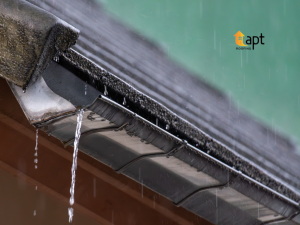


Heavy rain, hail and strong winds can expose weaknesses in a roof.
Sometimes the problem is obvious. You may see a broken tile or water dripping from the ceiling.
Other problems are much harder to spot.
Water can enter around flashing, valleys or roof penetrations. Blocked drainage may also contribute to water entering the roof cavity.
For homeowners comparing roofing sydney services after bad weather, the first step should be understanding what has changed.
NSW SES recommends repairing leaks and damaged roofing as part of storm preparation. Its guidance specifically mentions loose tiles, metal sheets and screws. It also recommends keeping gutters and downpipes clear.
The following checks can help you understand when the roof may need professional attention.
Look for water marks and changes inside the home
Start inside the house.
Look at ceilings and upper walls for new stains. Also check areas near skylights, chimneys and external walls.
Fresh water marks can appear darker than the surrounding ceiling.
Paint may bubble or peel after water enters. Plaster can also become soft or discoloured.
Pay attention to when the problem appears.
A stain that develops only during strong wind may suggest a different issue from a leak that starts during steady rain.
Take photos when you first notice the problem.
They can help a roofer understand how the damage changed over time.
Do not assume that the roof fault sits directly above the ceiling stain. Water can move before it becomes visible inside.
Inspect the roof from a safe position outside
Next, look at the property from ground level.
You may notice a missing tile, displaced ridge tile or damaged sheet.
Branches and other storm debris may also be visible.
NSW SES recommends checking the roof for leaks and damage. Its guidance includes loose tiles, metal sheets and screws.
However, avoid climbing onto a wet or damaged roof yourself.
Storm conditions can make surfaces slippery. Damage may also be difficult to judge without closer professional inspection.
A safe ground-level check should help you gather information. It should not become a DIY roof inspection.
Check Tiles and Metal Roofing for Storm Damage
Tile roofs can suffer local damage during severe weather.
Tiles may crack, shift or become displaced.
Ridge capping and pointing can also need attention.
NSW defines roof tiling work as covering activities that include tiles, bedding, pointing, flashing, valleys, sarking and battens.
A single damaged tile may only need a local repair.
However, several damaged areas can indicate a wider problem.
Do not judge the whole roof from one visible tile.
A roofing inspection can check nearby materials and determine whether the damage extends beyond the obvious area.
This is especially useful when you need roof repair in sydney after a storm but cannot identify the source of the leak.
Check metal sheets, fixings and visible roof edges
Metal roofing needs a different type of assessment.
From a safe position, look for sheets that appear loose or damaged.
Roof edges may also show visible storm damage.
Metal roof problems can involve the roofing sheets, flashing, gutters and downpipes.
NSW classifies metal roof coverings, flashing, guttering and downpipes within roof plumbing work.
Avoid touching loose metal after severe weather.
Instead, record what you can see and explain it to the roofing contractor.
The roofer can then assess whether the problem is limited to one section or affects a larger part of the roof.
Pay Attention to Flashing, Valleys and Roof Drainage
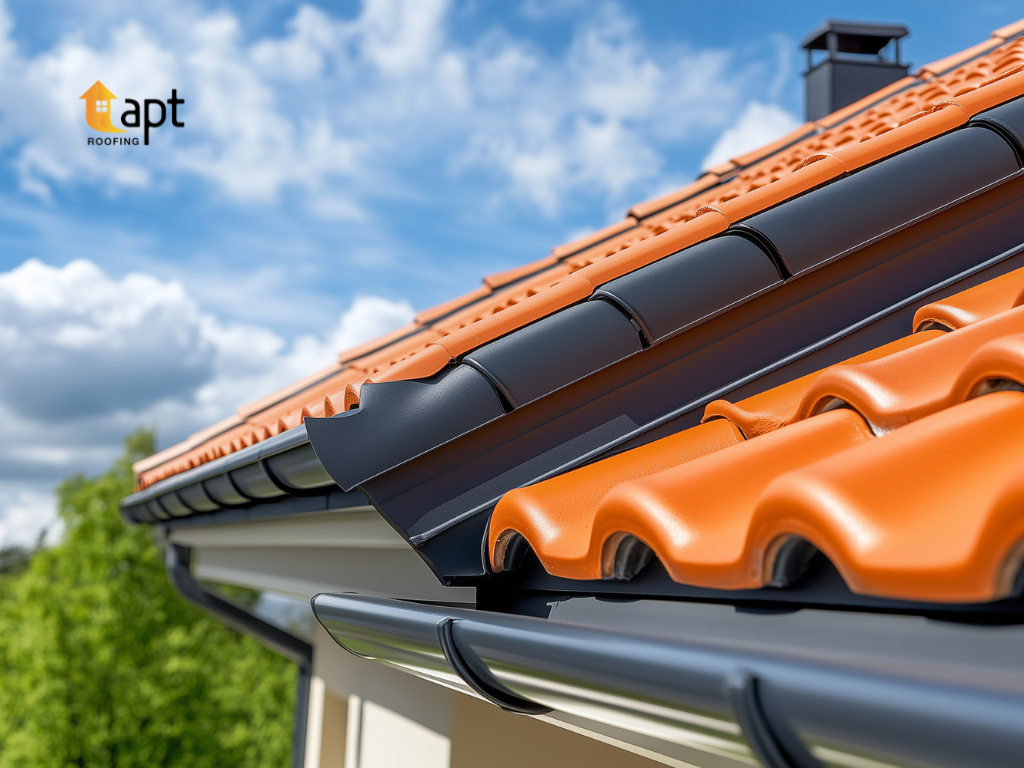
Look around skylights, chimneys and roof junctions
A roof can leak even when most of the main roofing surface looks fine.
Water often needs careful control around roof openings and junctions.
Skylights, chimneys, vents and adjoining walls are common examples.
These areas often rely on flashing to direct water away from joints.
Valleys also play an important role. They carry water where two roof slopes meet.
A fault in one of these areas can cause water to enter during heavy rain.
The visible stain inside may appear some distance from the actual problem.
For this reason, sydney roof repairs should focus on finding the source rather than simply sealing the first visible gap.
Check gutters and downpipes for overflow or blockage
Roof drainage deserves just as much attention.
Leaves and debris can block gutters, drains and downpipes.
NSW SES warns that blockages can trap water. The water may then overflow beneath the eaves and enter the roof cavity.
Look for signs of overflow after rain.
Water marks on fascia areas may provide a clue. You may also notice plants, leaves or other debris sitting in accessible gutter areas.
Do not reach dangerous roof edges to inspect them.
Instead, tell the roofer if you noticed gutters overflowing during the storm.
That information can help distinguish a drainage problem from damage to the roof covering itself.
Know Which Signs Need Faster Attention
Some roofing problems should not wait for routine maintenance.
Active dripping deserves prompt attention.
Large or spreading ceiling stains can also signal ongoing water entry.
A ceiling that begins to sag needs particular care. Keep people away from the affected area.
Water near electrical fixtures also needs caution.
Do not touch wet electrical fittings or attempt electrical repairs yourself.
The roofing problem and any electrical hazard may require separate qualified trades.
When requesting roof repairs sydney after a storm, explain whether water is still entering the building.
This helps the contractor understand the urgency of the enquiry.
Avoid unsafe temporary repairs after a storm
A temporary patch can seem attractive when rain is still falling.
However, climbing onto a wet roof can create a serious safety risk.
Avoid placing yourself on damaged roofing simply to stop a leak.
Move valuables away from the affected interior area where it is safe to do so.
Containers may help manage minor dripping inside until professional help arrives.
The goal is to reduce further interior damage without creating another hazard.
Wait for safe conditions before arranging the roof inspection.
A professional roofer can then identify the cause and recommend the appropriate repair.
Decide Whether the Roof Needs Repair or Broader Work

Use targeted repairs for isolated problems
Storm damage does not automatically mean the roof needs replacement.
A problem may affect only one area.
Examples can include broken tiles, damaged flashing or a local valley problem.
APT Roofing’s current Sydney guidance describes roof repair as work aimed at a specific problem. Its examples include broken tiles, flashing, leaks, valleys and minor storm damage.
In these situations, a targeted repair may be appropriate.
Ask the roofer what caused the problem.
Then check exactly what the quote includes.
This makes it easier to understand whether the repair addresses the source of the water entry.
Consider a wider assessment when damage appears across the roof
The decision becomes different when problems occur in several areas.
Repeated leaks can suggest that a small patch is no longer enough.
Widespread damage or ongoing deterioration may also justify a broader assessment.
At that stage, compare repair, restoration and roof replacement in sydney based on the roof’s condition.
These services solve different problems.
A repair usually targets a specific defect. Replacement involves much broader roofing work.
APT Roofing’s June 2026 guidance similarly advises considering wider roof condition and recurring problems when deciding between repair and replacement.
Do not choose replacement simply because it is the larger service.
Ask the contractor to explain why the roof condition supports that recommendation.
Compare Sydney Roofing Services Before Approving Work
Two roofing quotes can show very different prices because they cover different work.
One contractor may quote for a broken tile.
Another may include flashing or valley repairs as well.
Compare the scope before comparing the total.
Ask which part of the roof needs work.
Check the materials and repair method where relevant.
You should also ask whether the quote includes access requirements, rubbish removal and any related roofing work.
People searching for roofer sydney services should also consider whether the contractor handles their roof type.
APT Roofing currently lists repairs and replacement for metal, tile and slate roofing across its strata and real estate service information.
Check licensing, documentation and contractor details
Licensing is another useful check.
NSW currently requires a contractor licence for residential roof tiling work valued above $5,000, including labour, materials and GST. The same threshold applies to residential roof plumbing work.
Service NSW provides an online tool for checking a builder or tradesperson licence.
Ask the roofer for the relevant business and licence details.
You can then check them before approving significant work.
A roofer in Sydney should also provide a clear scope for the proposed repair.
Keep the quotation, photos and completed-work documents after the job.
These records may help if another roofing problem develops later.
Know When to Contact APT Roofing

Arrange an inspection when the damage is unclear
APT Roofing may be useful when a Sydney roof shows damage after severe weather.
The company currently lists roof repairs, leak repairs, restorations and roof replacement among its services. It also provides guttering, downpipe and roof ventilation services.
Its current website lists residential, strata, real estate and insurance roofing work in Sydney.
Contact can make sense when you see water inside but cannot identify the roof problem.
It may also help when several areas appear damaged.
APT Roofing currently publishes contractor licence number 202745C on its website. Homeowners can independently check trade licence information through Service NSW.
Confirm the exact service scope and availability for your property before approving work.
Prepare useful information before requesting a quote
Start by explaining what happened.
Mention heavy rain, hail or strong winds if they occurred before the problem appeared.
Describe any water entry inside the home.
Tell the roofer which rooms are affected.
Photos taken safely from inside or ground level can provide useful context.
Also mention the roof material if you know it.
Explain whether the roof has leaked before and note any previous repairs.
If gutters overflowed during the storm, include that information too.
These details can help the contractor prepare for the inspection.
For homeowners comparing roofing sydney services, the key is to diagnose the problem before choosing the solution.
A damaged tile may need a small repair. A drainage problem may need attention to gutters or downpipes. Wider damage may justify a broader roof assessment.
The right starting point is a safe inspection, a clear diagnosis and a repair scope that matches the actual condition of the roof.