
When it comes to Home Roofing, one thing many people forget is roof ventilation. In the eastern suburbs, where temperatures can soar and coastal air carries moisture, ventilation is more than just a bonus—it’s essential. roof ventilation eastern suburbs isn’t just about comfort. It’s about protecting your home from long-term damage. Without proper airflow, heat and moisture can build up in your roof space.
Over time, this affects your roof structure, ceiling, and even your energy bills. Unfortunately, poor ventilation doesn’t always scream for attention. It creeps in slowly and shows up in ways many homeowners don’t recognise until it’s too late. Let’s explore the clear (and not-so-obvious) signs your home might need better roof ventilation.
Roofers in Sydney Know These Signs All Too Well
Hot, Unbearable Rooms in Summer?
If you’ve noticed certain rooms—especially upstairs—becoming much hotter than others, your roof might be to blame. Poor ventilation traps hot air in the ceiling space. This radiates into living areas and forces your cooling systems to work overtime.
Here’s what might happen:
- Your ceiling feels warm to the touch
- Your aircon runs longer than usual
- The upstairs becomes unusable in hot weather
This issue is common in the eastern suburbs where homes are exposed to long hours of sunlight. It’s not just uncomfortable, it’s expensive. Fixing the ventilation could reduce your cooling costs and make your home more liveable.
Musty Smells or Mould Spots?
When air doesn’t flow properly in your roof, moisture builds up. Over time, this can lead to mould growth and that unpleasant musty smell, especially after rain or high humidity.
These signs include:
- Black spots on the ceiling or in corners
- A damp or earthy smell in certain rooms
- Clothes or linen in the cupboard feeling damp
Roofers across Sydney often find these clues when called in for unrelated jobs. Homeowners may think it’s a plumbing issue, but it’s often poor ventilation working quietly in the background.
Roof Maintenance in Gladesville: What Local Roofers Often Find
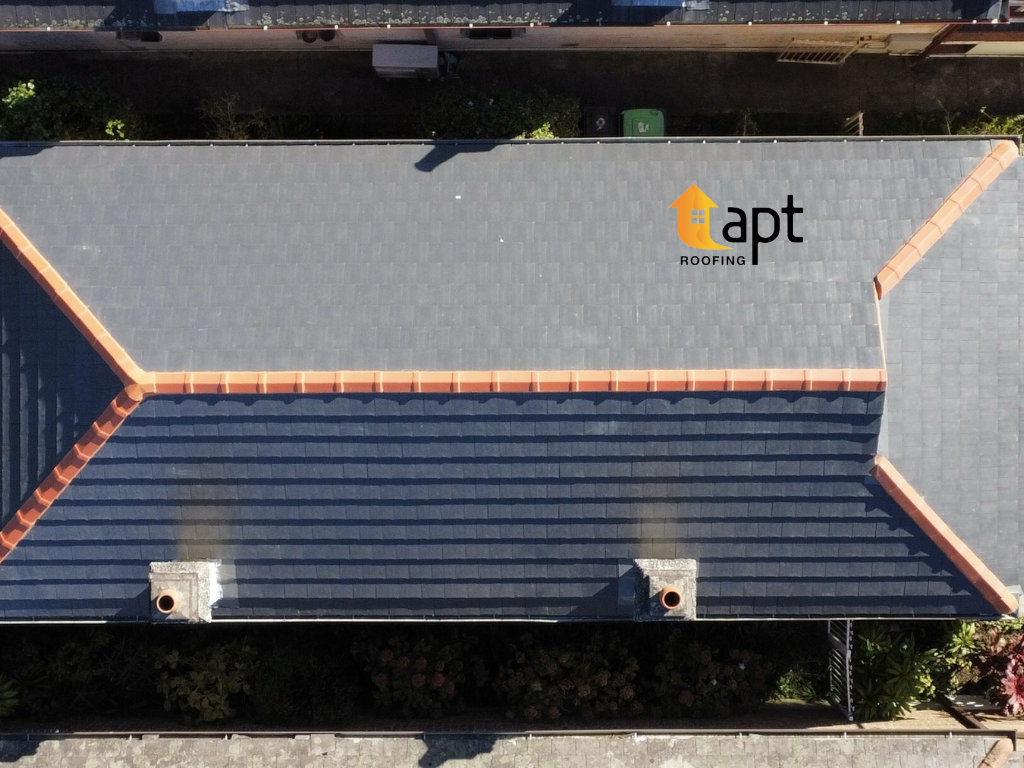
Ventilation issues are quite common in older suburbs like Gladesville. Many of these homes have dated Roofing designs that don’t allow air to circulate properly.
When locals book a routine Roof Maintenance in Gladesville, roofers often find:
- Blocked eaves or soffit vents
- Rusted-out whirlybirds
- Mould or dampness in ceiling cavities
The good news? These problems are usually easy to fix with the right advice. And once airflow is restored, the rest of your Home Roofing system performs much better—from tiles to insulation.
Roof Repair Experts Look for These Clues First
Peeling Paint or Bubbling Ceilings
If your ceiling paint is starting to peel, crack, or bubble, it’s often a sign of trapped moisture. Many homeowners assume it’s a simple indoor humidity issue, but roofers know that poor ventilation is a common cause.
When hot, moist air sits inside the roof space for too long, it pushes down into the ceiling. Over time, this leads to surface damage that looks like:
- Flaking or cracking paint
- Slight sagging or rippling in the ceiling
- Stains or yellow patches
Addressing ventilation early can help prevent even bigger issues, such as leaks or structural damage that may require costly roof repair.
Unexpected Rise in Power Bills
If you notice your energy bill slowly climbing, poor ventilation might be the reason. When hot air is trapped inside the roof cavity, your air conditioner works harder to cool down your home. This is especially true in the eastern suburbs, where heat and humidity build quickly. A well‑ventilated roof helps release the heat, reducing your energy use and keeping your home more comfortable. Even homes with high-quality insulation need proper ventilation. Both work together to maintain indoor temperatures and protect your roof.
Roofing issues Often Begin with Missed Ventilation Checks
Many homeowners tend to focus on leaks or cracked tiles when they think of Roofing problems. But poor ventilation often starts long before any visible damage appears. When roof ventilation fails, materials like timber battens, insulation, and even tiles can age faster. This is especially true for systems that use Lutum Roof Tiles, which are durable but still need proper airflow underneath to perform at their best.
Poor ventilation also increases moisture levels in the roof space. Over time, this can lead to:
- Timber rot
- Mould growth
- Reduced insulation performance
- Shorter lifespan of tiles and roofing materials
Regular checks go a long way toward preventing these issues. A quick inspection by a professional can identify blocked vents, damaged whirlybirds, or airflow imbalances before they become costly problems.
Roofing Insurance Australia: Why Proper Ventilation May Matter More Than You Think
Insurance Claims and Ventilation-Related Damage
Many homeowners don’t realise that poor ventilation can affect their insurance claims. With roofing insurance australia, insurers may question whether roof damage was preventable. If mould, dampness, or material deterioration could have been reduced with proper airflow, an insurer might not pay out the full amount. In more serious cases, claims may be denied altogether. This is why ventilation is not just a comfort issue. It’s a long-term protection strategy.
Keep Your Home Roofing Claim-Ready
Keeping your Home Roofing system in good condition is simple with regular checks and maintenance. Here are a few easy steps:
- Book routine inspections with trusted Roofers in Sydney
- Make sure vents and whirlybirds are clear and working
- Repair minor issues early to prevent larger problems
- Keep tiles in good shape, especially older Lutum Roof Tiles
These simple actions help protect your home and ensure your insurance remains valid when you need it most.