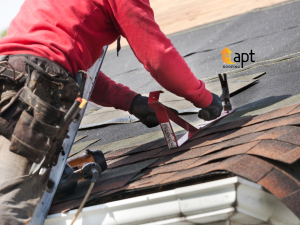

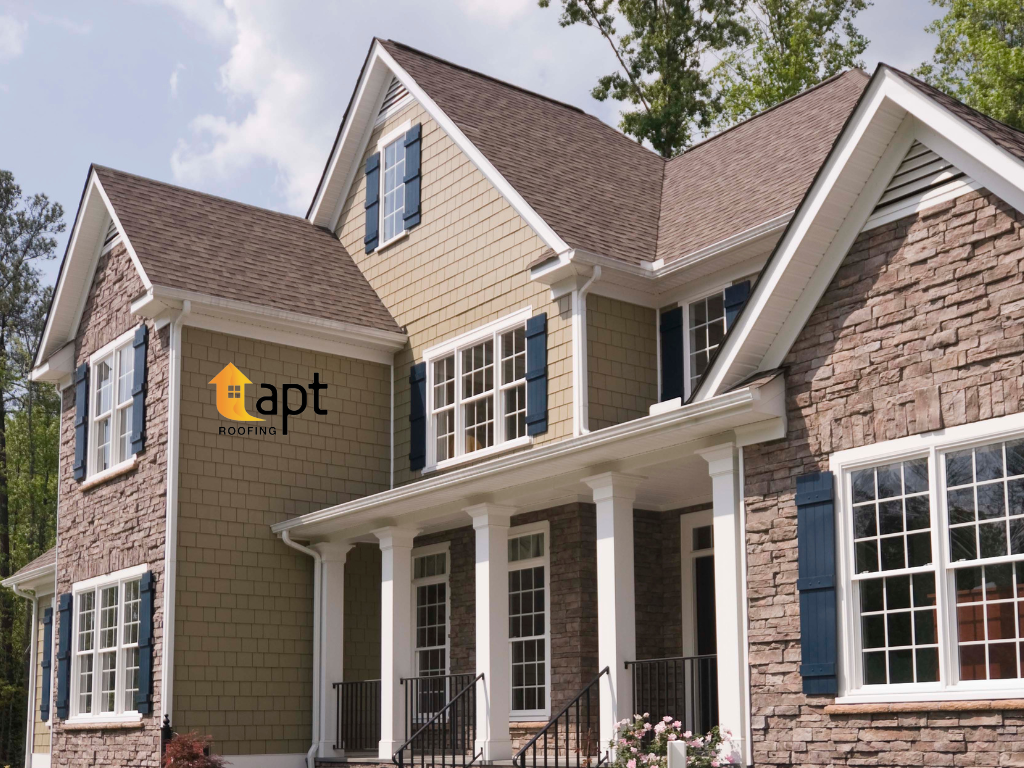
Delaying a roof replacement often starts as a simple decision to wait a little longer, especially when problems seem small or manageable. However, what feels like a short delay can quietly place extra stress on the entire home. Over time, roofing materials continue to age, weather exposure increases, and small weaknesses become harder to control, which can affect both structural safety and long-term reliability.
Why do many homeowners delay roof replacement?
Many homeowners delay roof replacement because the damage they can see does not appear serious at first. Small leaks, minor cracking, or ageing materials may seem easy to live with, especially when repairs look cheaper in the short term. In some cases, the roof still looks acceptable from the street, which creates a false sense of security and encourages homeowners to put off a bigger decision.
What hidden risks develop during long delays?
Hidden risks often develop beneath the surface of the roof, where moisture can slowly enter layers that are meant to stay dry. Over time, this can weaken roof supports, damage insulation, and create structural strain that is not immediately visible. By the time these problems appear indoors, the damage is usually more advanced and harder to fix.
How Small Issues Turn Into Bigger Problems Without roof replacement
Small roofing issues rarely stay small when a roof replacement is postponed. Cracked tiles, worn materials, or loose fittings allow water and air to enter areas that are meant to stay sealed. As time passes, these minor problems spread, increasing the chance of internal damage and making future repairs more complex and costly.
Why do minor roof issues get worse over time?
Minor roof issues worsen over time because the roof is constantly exposed to weather conditions such as rain, heat, and wind. Moisture can enter through small gaps and expand existing damage, while temperature changes cause materials to shift. Without proper intervention, these forces slowly increase the size and impact of the original problem.
How quickly can roof damage spread?
Roof damage can spread faster than many homeowners expect, particularly during heavy rain or sudden temperature changes. Water can travel along roof layers and into insulation or ceiling spaces, affecting areas far from the original issue. This means a small problem in one spot can eventually impact a much larger section of the roof.
How Roof Repairs in Sydney Can Become Less Effective Over Time
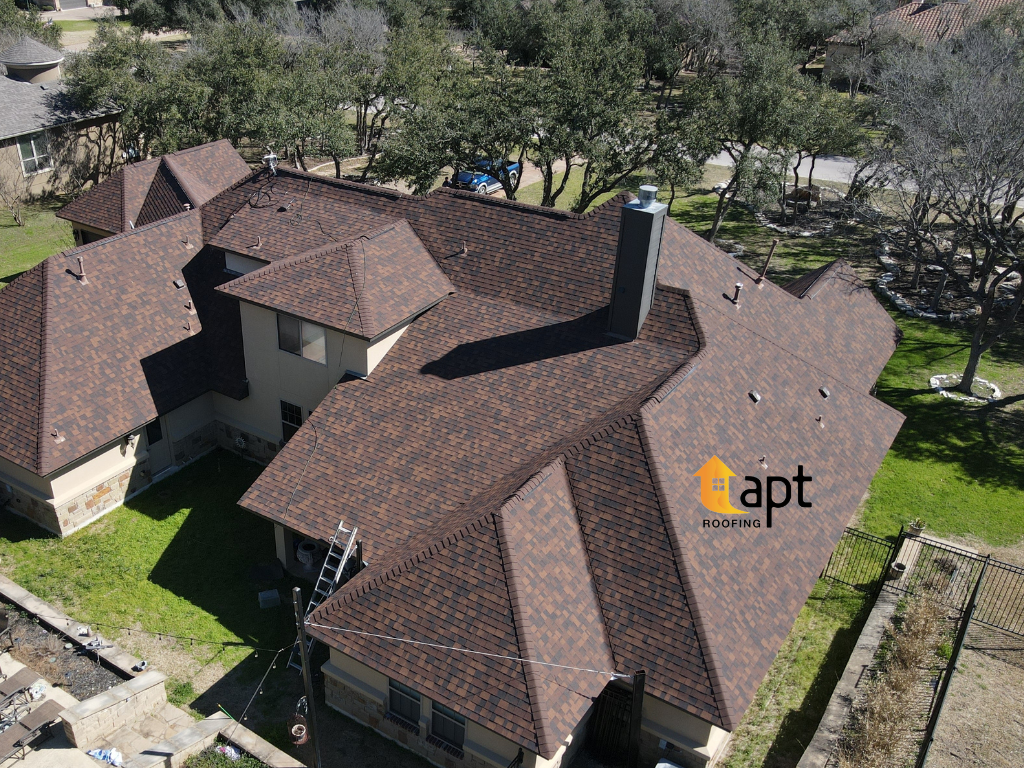
Roof Repairs in Sydney can be useful in the early stages of roof wear, but as a roof continues to age, repairs often become temporary solutions. Repeated patching may cover symptoms without addressing deeper material failure. Eventually, repairs lose effectiveness, and problems return more frequently, signalling that the roof is nearing the end of its usable life.
When do roof repairs stop being enough?
Roof repairs stop being enough when issues begin to reappear shortly after being fixed or when multiple areas of the roof start showing signs of failure at the same time. At this stage, repairs may no longer provide lasting protection and instead become ongoing maintenance tasks.
Why do repairs fail on older roofs?
Repairs often fail on older roofs because the surrounding materials have also weakened over time. Even if one area is repaired, nearby sections may continue to deteriorate, making it difficult for new materials to bond properly or remain secure for long.
What Risks Delaying roof replacement Creates for Home Owner Roofing
For Home Owner Roofing, delaying roof replacement creates risks that go beyond surface damage. As roofing materials weaken, the home becomes more vulnerable to leaks, internal moisture, and structural strain. These risks can also complicate insurance claims and reduce overall confidence in the home’s condition.
How does a failing roof affect the rest of the home?
A failing roof allows moisture to move into ceiling cavities, walls, and insulation, which can lead to mould, staining, and structural weakening. Over time, this damage may spread throughout the home, affecting areas that are expensive and disruptive to repair.
Are there safety risks with an ageing roof?
Yes, ageing roofs can pose safety risks due to loose materials, weakened structures, or hidden damage that may fail unexpectedly. In severe cases, falling debris or internal structural issues can create hazards for occupants.
How roof leak repair cost Increases When Replacement Is Delayed
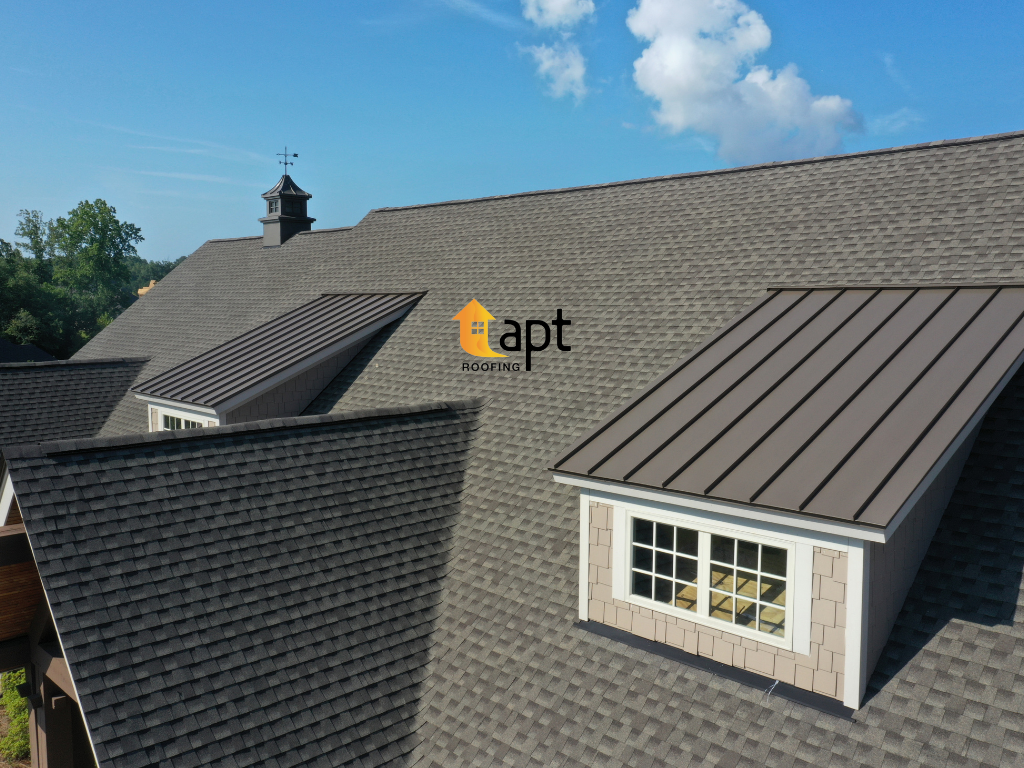
The roof leak repair cost often increases when roof replacement is delayed because temporary fixes rarely stop damage from spreading. Small leaks may seem manageable at first, but repeated water exposure can affect insulation, ceilings, and internal structures. Over time, repairs become more frequent and more complex, adding unexpected expenses that could have been avoided with earlier action.
Why do roof leak repair costs increase over time?
Repair costs increase as leaks continue to spread and affect larger areas of the roof and home. What starts as a simple repair can turn into multiple fixes across different sections, each adding to the total expense.
How does water damage affect overall repair expenses?
Water damage can extend beyond the roof itself and impact ceilings, walls, flooring, and even electrical systems. Repairing these areas often costs far more than addressing the roof issue early.
How Delaying roof replacement Affects Home Roofing Performance
Delaying roof replacement can noticeably affect Home Roofing performance by reducing the roof’s ability to protect the home effectively. Older roofs often struggle with insulation and ventilation, which can lead to temperature fluctuations and reduced comfort indoors. As performance declines, everyday living conditions may be affected more than homeowners expect.
Can an old roof affect indoor comfort?
Yes, worn roofing materials can allow heat to escape during winter and enter during summer, making indoor spaces harder to keep comfortable. This can lead to rooms feeling too hot or too cold throughout the year.
Does roof condition impact energy efficiency?
Poor roof condition can reduce energy efficiency by forcing heating and cooling systems to work harder to maintain indoor temperatures. This often results in higher energy use and increased household costs over time.
When Is It Time to Stop Delaying Roof Replacement and Take Action?
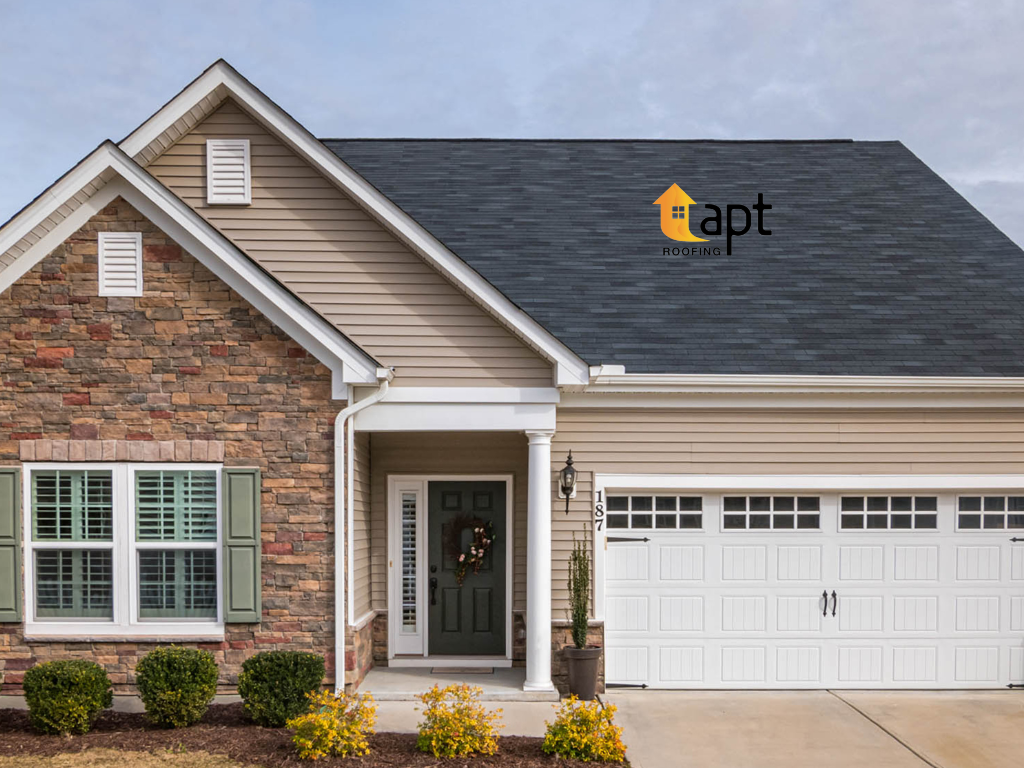
There comes a point when delaying roof replacement is no longer practical or safe for a home. Frequent leaks, repeated repairs, and visible deterioration are signs that the roof is no longer performing as it should. For many homeowners, upgrading to modern materials such as boral roofing can provide improved durability, weather resistance, and long-term peace of mind. Recognising these signs early helps homeowners make informed decisions that protect the home and avoid escalating issues.
What warning signs should not be ignored?
Warning signs that should not be ignored include recurring leaks, sagging roof sections, widespread material wear, and ongoing moisture issues inside the home. These problems often indicate deeper structural concerns that repairs alone cannot fix. In many cases, replacing ageing materials with reliable options like boral roofing offers a more secure and lasting solution.
How does acting early protect your home long-term?
Acting early helps prevent serious structural damage, stabilises repair costs, and restores confidence in the roof’s ability to protect the home. Choosing high-quality materials such as boral roofing can also improve insulation, enhance curb appeal, and reduce long-term maintenance. Early action reduces stress and disruption by addressing issues before they become costly emergencies.