

A roof problem does not always begin with water dripping into a room. In many cases, the first signs are much less obvious. You may notice a faint ceiling mark, a damp smell after rain, a cracked tile visible from the garden or water spilling over the edge of a gutter.
These warning signs can be easy to dismiss, particularly when the home appears dry again after the weather clears. However, roof damage often develops in areas that cannot be seen from inside the property. Water can travel along roof framing, insulation or other building materials before it becomes visible on a ceiling.
For homeowners comparing roofing Sydney services, the most useful starting point is understanding what the warning signs mean. Some faults can be corrected with a focused repair, while other problems may require broader restoration work or a complete roof replacement in Sydney.
This guide explains what to look for, when a repair may be suitable and when it is sensible to arrange a professional inspection.
Small roofing problems can spread
A minor roofing fault can affect more than the material immediately surrounding it. For example, one displaced tile may expose the area below it to rain, while deteriorated flashing may allow water to enter around a chimney, skylight, vent or wall connection.
Once moisture enters the roof space, it may affect timber, insulation, ceilings and internal finishes. The original entry point may also be several metres away from the stain that eventually appears inside the home. This is why simply painting over a ceiling mark does not address the underlying cause.
Early inspection can make it easier to identify the original fault while the affected area is still limited. It also gives the homeowner an opportunity to compare repair options before the problem becomes urgent.
Sydney conditions can expose weak areas
Sydney roofs experience periods of strong sunlight, heavy rain, wind and changing temperatures. Leaves and debris can also collect in gutters, valleys and around roof penetrations, particularly on homes near established trees.
These conditions do not automatically mean a roof will fail. However, they can expose materials or roof components that are already loose, worn, cracked, poorly sealed or affected by corrosion.
After severe weather, homeowners should look for changes rather than assuming that every visible issue is new. A storm may reveal an existing weakness that had not previously allowed enough water into the home to become noticeable.
Warning Signs Inside the Home
A yellow, brown or grey mark on a ceiling is one of the most recognisable signs of possible water entry. Other signs include bubbling paint, peeling plaster, damp patches near walls or a musty smell that becomes more noticeable after rain.
The location of the mark may provide useful information, but it does not always reveal the exact roof fault. Water can follow battens, rafters, pipes or ceiling surfaces before collecting at the lowest available point.
Repeated stains should not be treated as a cosmetic problem. Even when the mark dries between periods of rain, the roof may still have an opening or drainage fault that allows water to enter under particular wind or rainfall conditions.
Sagging ceilings and recurring leaks
A sagging or bowed ceiling may indicate that moisture has affected the ceiling material or accumulated above it. This should be treated more seriously than a small discoloured patch, especially when the affected area grows, feels soft or appears close to a light fitting.
Water near electrical wiring, switches or ceiling lights can create an additional safety concern. The area should be kept clear, and appropriate professional assistance should be arranged.
Recurring leaks are another important warning sign. If the same area has been patched more than once, the previous work may not have addressed the original entry point. Alternatively, the visible leak may be connected to broader deterioration across the roof.
In this situation, another small patch may provide only temporary relief. A more complete roof inspection can help determine whether targeted roof repair in Sydney remains practical.
Warning Signs Visible Outside

Cracked tiles, rust and damaged flashing
Homeowners can often notice roof damage from the ground, an upstairs window or another safe viewing point. Common signs include cracked or displaced tiles, missing sections, lifting metal sheets, rust marks and damaged ridge capping.
Flashing should also be considered. Flashing is used to help direct water away from roof joints and penetrations, including chimneys, walls, vents and skylights. When it becomes loose, corroded or poorly sealed, water may enter even when the surrounding roof material appears sound.
Metal roofs may show surface rust, loose fasteners, damaged seams or corrosion around fixings and roof penetrations. A small rust mark does not automatically mean the entire roof requires replacement, but the depth and extent of the corrosion should be assessed.
Because roofing work involves fall risks, homeowners should avoid climbing onto the roof to perform their own close inspection. Photographs taken safely from the ground can still be useful when speaking with a roofer in Sydney.
Gutter overflow and damaged roof edges
Overflowing gutters are sometimes treated as a separate maintenance issue, but they can contribute to water problems around the roof edge, fascia, eaves and walls. Water may overflow because of leaves, blocked outlets, poor gutter fall, damaged sections or downpipes that cannot drain effectively.
During rainfall, look for water spilling behind the gutter, pooling in one section or flowing over an area that should be draining towards a downpipe. After the rain, stains on external walls or damaged paint near the eaves may also indicate a drainage issue.
Roof valleys should remain clear enough to direct water away efficiently. Debris accumulation can slow drainage and increase the likelihood of water moving beneath nearby roof materials.
A roofing assessment should consider both the visible roof covering and the drainage components connected to it. Fixing a tile while ignoring a failed gutter or flashing detail may leave the home exposed to the same problem.
When a Roof Repair May Be Enough
A focused repair may be appropriate when the damage is limited and the surrounding roof remains serviceable. Examples can include replacing a small number of damaged tiles, repairing a section of flashing, resealing a roof penetration or correcting an isolated area of metal damage.
The suitability of the repair depends on more than the visible size of the fault. The roofer should also consider the condition of nearby materials, whether compatible replacement products are available and whether water has affected components beneath the roof covering.
Roofing repairs Sydney homeowners approve should have a clearly explained purpose. The quotation should identify what will be repaired, which materials will be used and whether any related work is excluded.
The importance of finding the original fault
A successful repair should address the source of the problem rather than only the internal symptom. For example, replacing stained plaster will not prevent further water entry if the roof flashing remains damaged.
Leak detection can require careful inspection because the source may only become active during wind-driven rain or when water builds up in a particular valley or gutter section. Information from the homeowner can therefore be valuable.
Explain when the leak occurs, whether wind direction seems to affect it and whether the stain appears during light rain or only during prolonged storms. These details can help the contractor narrow down the possible cause.
When comparing Sydney roof repairs, ask each contractor to explain the likely fault and how the proposed work will prevent it from recurring.
When Replacement May Be the Better Option
Widespread or recurring deterioration
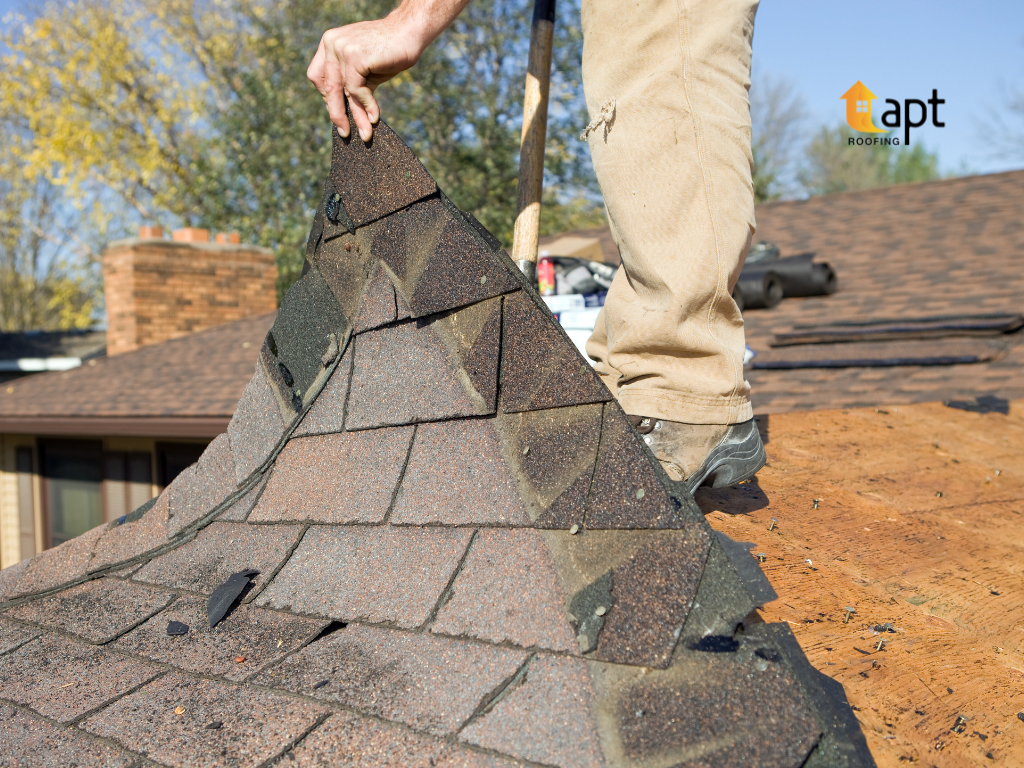
A roof replacement may be considered when damage is spread across a large area, materials are significantly deteriorated or previous repairs are no longer providing a reliable result.
Possible indicators include widespread corrosion, recurring leaks in different locations, extensive tile breakage, failing roof components or difficulty sourcing compatible materials for repeated repairs. Structural movement or damage beneath the roof covering may also affect the scope of work.
These signs do not prove that replacement is always necessary. A professional assessment is still required because roofs of a similar age can be in very different condition depending on their material, installation, exposure and maintenance history.
Homeowners should be cautious of accepting a complete replacement recommendation without a clear explanation. The contractor should be able to describe why repair is not considered sufficient and which parts of the existing roofing system have reached the end of their serviceable condition.
Comparing immediate cost with long-term value
The lowest immediate cost is not always the most suitable long-term choice. However, replacement should not be recommended simply because it is the larger job.
Consider how often the roof has required attention, whether the faults are isolated or widespread and how long you expect to remain in the property. Planned renovations, solar panel installation, insulation upgrades or changes to roof drainage may also affect the timing of the work.
When reviewing a roof replacement in Sydney, compare the full scope rather than the final price alone. The proposal should explain the roofing material, removal of existing materials, disposal, underlay or sarking where relevant, flashing, ridge or edge details, drainage connections and any exclusions.
This makes it easier to compare quotations on a like-for-like basis and reduces the chance of discovering major omissions after work begins.
How to Choose the Right Roofing Service
A useful roofing quote should help you understand the problem and proposed solution. It should identify the areas to be repaired or replaced, the materials involved and the preparation needed before the main work begins.
The document should also explain exclusions. For example, internal ceiling repairs, structural timber work, asbestos-related services, solar panel removal or electrical work may not be included unless clearly stated.
Ask how unexpected damage will be handled if it is discovered after materials are removed. A contractor should explain whether additional work requires written approval and how any price change will be communicated.
Warranty information should also be provided in writing. Read what the warranty covers, how long it applies, whether product and workmanship warranties are separate and which maintenance conditions may apply.
Check licensing and relevant experience
In NSW, licensing requirements apply to specified residential building and trade work, and homeowners can check contractor details through the Service NSW public register. The correct licence category may depend on the roofing material and type of work being completed.
Ask for the contractor’s licence details and confirm that the licence is current and relevant to the proposed work. Appropriate insurance, safe access arrangements and experience with your type of roof should also form part of the comparison.
A contractor who frequently works on tiled roofs may offer different experience from one who mainly installs metal roofing. Neither is automatically the better choice. The important point is whether their qualifications and practical experience match the work your property requires.
Clear communication is another useful trust signal. A reliable supplier should be prepared to explain the fault, answer reasonable questions and provide written documentation rather than pressuring the homeowner to make an immediate decision.
When to Contact APT Roofing

Arrange an assessment when warning signs appear
Professional advice should be considered when a ceiling stain returns, tiles appear displaced, metal sections show corrosion, gutters repeatedly overflow or the roof has been affected by strong winds, hail or falling debris.
You should also arrange an assessment when several minor faults appear at the same time. Multiple warning signs can indicate that the problem is not limited to one tile or seal.
APT Roofing can be contacted when you need help assessing whether roofing repairs Sydney homeowners commonly request will be sufficient or whether broader work should be considered. The purpose of the assessment should be to understand the roof’s condition and obtain a clear scope before approving work.
Urgent assistance may be required when water is entering close to electrical fittings, ceiling materials are sagging or roof materials appear unstable. Keep people away from the affected area and avoid attempting roof access yourself.
Prepare useful information before requesting a quote
Before contacting a roofing company, record when the problem started and the weather conditions that make it worse. Take photographs of ceiling marks, external staining, gutter overflow or visible roof damage from a safe location.
It is also helpful to provide information about previous repairs, the approximate roof material and any recent work involving solar panels, skylights, antennas or roof-mounted equipment.
These details do not replace a professional inspection, but they can help the roofer understand the history of the problem and prepare for the visit.
The final decision should be based on the actual condition of the roof, the cause of the damage and the completeness of the proposed solution. By responding to warning signs early and comparing written scopes carefully, Sydney homeowners can make a more informed choice between repair and replacement.Roof Warning Signs Sydney Homeowners Should Never Ignore