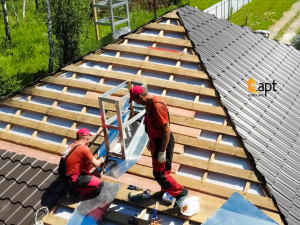


A roofing problem does not always mean the entire roof needs to be replaced. A cracked tile, loose flashing or isolated leak may only require a targeted repair. However, repeated water entry, widespread material damage or deterioration across several roof sections may indicate that a broader solution is needed.
The difficulty is that roof problems are not always easy to diagnose from inside the home. A ceiling stain may appear several metres away from the actual entry point because water can move beneath tiles, along roof framing or around pipes before it becomes visible.
Homes across the Macarthur Region and nearby Outer Western Suburbs are exposed to strong sun, heavy rain, hail and damaging winds. Severe storms have caused roof, tree and fencing damage in communities including Campbelltown, Appin and Douglas Park, which highlights the importance of checking a roof after significant weather.
The right decision depends on the condition of the whole roof, the type of roofing material, the history of previous repairs and the expected value of further work. A careful assessment can help determine whether Roof Repair in Macarthur Region, planned maintenance or complete replacement is the most appropriate next step.
Warning signs visible inside the home
Roof leaks often become noticeable inside the home before the source can be seen outside. Water marks on ceilings, bubbling paint, damp patches, musty odours or moisture around skylights may indicate that water is entering through the roof system.
A stain does not always identify the exact entry point. Water can move beneath roofing materials and travel along timber or other surfaces before reaching the ceiling.
Recurring marks after rain deserve attention even when the area dries between storms. The opening that allowed water inside may still be present and may become worse during the next period of heavy weather.
Sagging or bulging ceiling material should be treated carefully because it may be holding water. People, pets and valuables should be moved away from the area, particularly when water is close to lights, wiring or other electrical fittings.
Discolouration around cornices, walls or roof penetrations may also be relevant. The problem could involve tiles, metal sheets, flashing, gutters, valleys, vents or a poorly sealed opening around roof-mounted equipment.
A professional inspection is useful when the cause is uncertain. The purpose should be to identify where water entered and why, rather than simply covering the visible stain.
External damage that should be checked safely
From ground level, homeowners may notice displaced tiles, loose metal sheets, damaged gutters, missing ridge material or debris resting on the roof.
Pieces of tile or metal found around the property after strong wind can indicate that roof components have moved. Fallen branches may also damage the roof even when the impact point is difficult to see.
Binoculars or photographs taken from a safe position can help document the condition, but homeowners should not climb onto a wet, damaged or steep roof. Roofing materials can be slippery or brittle, and hidden damage may make the surface unsafe.
Gutters and downpipes should also be observed during rain when this can be done safely. Overflowing water may indicate a blockage, poor fall, undersized drainage or another issue affecting how water leaves the roof.
A Roofer in Macarthur Region can inspect areas that cannot be viewed safely and determine whether the damage is isolated or connected with a larger roofing concern.
Understanding Common Roofing Problems in Macarthur
Heavy rain does not always create a roofing defect. In many cases, it exposes a weakness that was already present.
Cracked tiles, loose fixings, failed seals or small gaps in flashing may remain unnoticed during dry weather. Once intense rain or wind-driven water reaches the area, moisture can move beneath the external roofing.
Strong wind can lift loose metal sheets, move ridge components and force rain into junctions that normally remain dry. Hail or falling branches may crack tiles, dent roofing or damage skylights and gutters.
Western and south-western Sydney have also experienced severe thunderstorms involving flash flooding, damaging winds, hail, fallen trees and roof damage. These conditions make post-storm checks particularly relevant for homes in the Macarthur and Outer Western Suburbs.
Heat can affect roofing components over time as materials expand, contract and age. Sealants may deteriorate, fixings can loosen and older materials may become more fragile.
Roof Maintenance in Macarthur Region may help identify these concerns before a major storm exposes them through active water entry.
Why flashing, gutters and roof penetrations often cause leaks
A roof leak is not always caused by a broken tile or damaged sheet. Water frequently enters where different roof components meet.
Flashing is installed around walls, chimneys, skylights, valleys and other junctions to direct water away from openings. When flashing is damaged, loose, corroded or incorrectly installed, water may move beneath the surrounding roof covering.
Roof penetrations for vents, solar equipment, aerials and exhaust systems also require suitable weatherproofing. Work completed by another trade may affect the original roof seal if penetrations are not finished correctly.
Gutters and valleys must carry water away from the roof. Leaves, silt and branches can restrict drainage, causing water to overflow or back up beneath roofing materials.
Ridge capping and pointing may also deteriorate. Cracks or movement can allow water into the roof, particularly during strong wind and rain.
A complete roof inspection should therefore examine drainage, flashing and penetrations rather than focusing only on the most visible tiles or sheets.
Deciding Between Repair, Maintenance and Replacement

When a targeted roof repair may be enough
A targeted Roof Repair in Macarthur Region may be suitable when the problem is limited to one clearly identified area and the surrounding roofing remains in serviceable condition.
Examples may include several broken tiles, one damaged flashing, an isolated loose sheet, a localised gutter problem or failed sealing around a roof penetration.
The proposed work should correct the cause rather than only covering the symptom. Applying sealant over a recurring leak without understanding why water is entering may provide only temporary relief.
Ask the roofer to explain which part has failed, which materials need to be repaired and whether the surrounding area shows signs of deterioration. Photographs can be helpful when the affected section cannot be viewed safely from the ground.
The contractor should also clarify whether the repair is temporary or permanent. Emergency make-safe work may reduce immediate water entry, but a later visit may still be required to complete the proper repair.
Roof Repair in Outer Western Suburbs should be based on a clear scope that identifies the affected roof area, proposed method and major exclusions.
When widespread deterioration needs a broader solution
Roof Replacement in Macarthur Region may need to be considered when deterioration affects several areas or when previous repairs no longer provide a reliable result.
Warning signs may include leaks appearing in multiple rooms, extensive tile cracking, widespread corrosion, repeated movement of roof materials or continuing water entry after earlier work.
The condition of the underlay, battens and supporting timber may also influence the decision. Long-term leaks can affect components that are not visible until roofing materials are removed.
Replacement may also be considered during a major renovation or when several roof planes will be affected by extensions, skylights, solar systems or structural changes.
A replacement should not be recommended solely because it costs more than repair. The roofing contractor should explain why another local repair is unlikely to provide a suitable outcome.
Homeowners should also be cautious about repeatedly paying for short-term patches when the wider roof has reached an advanced stage of deterioration.
The decision should compare the likely benefit of another repair with the complete scope and expected usefulness of Roof Replacement in Outer Western Suburbs.
Comparing Tile and Metal Roofing Requirements
Tile and metal roofs require different repair methods.
A tiled roof may sometimes be repaired by replacing a small number of broken units. The replacement tiles must fit the existing profile, batten spacing and interlocking system correctly.
Older tiles may be difficult to match. Even when the correct profile is available, a new tile can look different beside weathered materials because of age, dirt and exposure.
Metal roofing uses sheets, fasteners, flashings and overlapping joints. A repair may involve replacing one or more sheets, correcting fixings, treating corrosion or renewing damaged flashing.
Maintenance requirements also differ. Tiled roofs may need checks around cracked tiles, ridge capping and movement, while metal roofs may require attention to fixings, corrosion and sheet junctions.
Neither material is automatically better in every situation. Installation quality, roof design, exposure and maintenance all affect performance.
When comparing Roof Maintenance in Outer Western Suburbs, the contractor should explain what needs to be checked for the specific roof material rather than offering a generic service.
Why structural suitability and roof pitch matter
Roofing materials must suit the existing structure and roof pitch.
Tiles add substantial weight, while metal roofing is generally lighter. Changing from one system to another may require assessment of framing, battens, tie-downs and other structural details.
The roof pitch affects how quickly water drains and how roofing materials overlap. Different tile profiles and metal systems have specific installation requirements.
Wind exposure is another consideration. Fixing requirements can vary depending on building height, roof shape and local conditions.
Bushfire construction requirements may apply in some parts of the wider region. Roofing materials, underlay, gaps and junctions may need to comply with the requirements applicable to the property.
Solar panels, skylights, ventilation systems and aerials should be considered as part of the complete roof rather than added without planning.
Where structural suitability is uncertain, the roofer may recommend advice from an appropriately qualified building professional or engineer.
Choosing the Right Roofing Service and Contractor
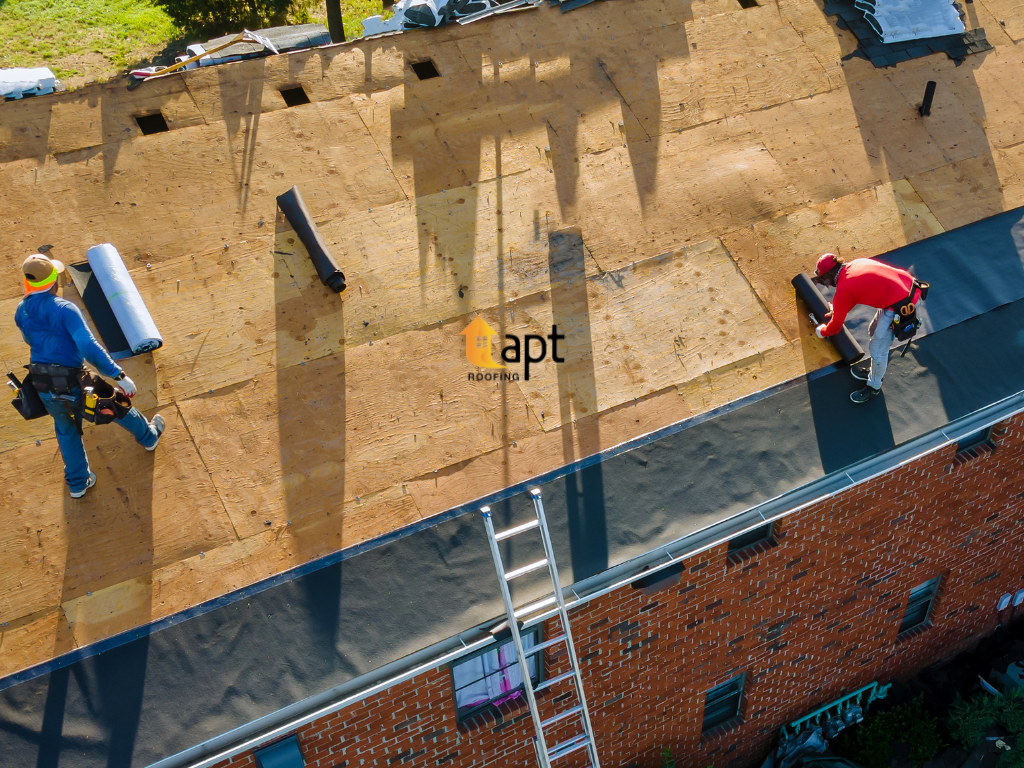
Comparing written quotations and repair scopes
A roofing quotation should explain what was found and what work is proposed.
Broad wording such as “repair roof leak” provides little detail. A useful scope should identify the affected area, repair method, materials and major exclusions.
Ask whether the roof has been inspected in person. Photographs and descriptions may help with an initial discussion, but some problems cannot be accurately diagnosed without proper access.
Compare the method as well as the price. One roofer may propose replacing damaged flashing, while another may suggest applying sealant. These are different scopes and may produce different outcomes.
The quotation should also explain access equipment, safety measures, waste removal and whether internal ceiling damage is included.
For Roof Replacement in Macarthur Region, confirm which roof sections are included. Different sections may have been constructed or repaired at different times.
Keep copies of quotations, photographs, invoices, product information and written correspondence. These records may help with later maintenance, warranties or insurance discussions.
Checking credentials, insurance and warranty details
Before engaging a Roofer in Macarthur Region, confirm the legal business details and whether the contractor holds the credentials required for the proposed work.
NSW Fair Trading regulates contractor licensing for residential building work, and the requirements can depend on the type and value of the job. Current details should be checked before accepting a substantial roofing contract.
The contractor should also explain its insurance arrangements and workmanship terms. Manufacturer warranties for roofing materials may be separate and may depend on correct installation.
Do not rely only on a business name, website or social media page. The legal entity issuing the quotation and invoice should be clear.
Ask how workers will access the roof and manage fall risks. Roofing is high-risk work, and appropriate safety planning should form part of the project.
Be cautious when someone arrives unexpectedly after a storm, pressures the homeowner to sign immediately or asks for substantial payment without supplying a clear written scope.
Preparing for Roofing Work and Future Maintenance
Before roofing work begins, confirm how the contractor will enter the property and which outdoor areas need to remain clear.
Vehicles, garden furniture and fragile items may need to be moved away from the work zone. Homeowners should also discuss how gardens, windows, driveways and neighbouring areas will be protected.
Roof repair and replacement can create noise, vibration and debris. People working from home, caring for children or managing pets may need to plan around the work.
Weather can affect scheduling. Strong wind, heavy rain or wet roofing may make access unsafe, while some products require dry conditions for correct installation.
A weather-related delay should not automatically be treated as poor planning. The contractor should communicate changes and explain how any exposed area will be protected.
The quotation should state whether old tiles, metal sheets, fixings and packaging will be removed from the property.
When substantial work is planned, ask how unexpected damage will be handled. Hidden deterioration may only become visible after roofing materials are removed.
Reducing the chance of repeat roofing problems
Roof Maintenance in Macarthur Region can help identify smaller problems before they become active leaks.
The appropriate inspection frequency depends on the roof age, material, surrounding trees, exposure and history of previous issues.
Gutters, valleys and downpipes should be kept clear enough to move water away from the roof. Flashings, penetrations, ridge components and visible roofing materials should also be checked.
After severe wind, hail or heavy rain, inspect the property from ground level for new damage. Look for displaced materials, overflowing gutters, ceiling stains and fallen debris.
Records of repairs and maintenance should be kept. Photographs, invoices and product information can make future investigations easier.
Roof Maintenance in Outer Western Suburbs should address the actual roof type and condition. A standard cleaning service should not be presented as a substitute for repairing damaged materials.
Maintenance cannot prevent every roofing problem, but it may help homeowners find defects before they cause greater internal damage.
When to Contact APT Roofing

Requesting an inspection when the cause is unclear
APT Roofing may be contacted when a homeowner needs help identifying a leak, damaged roof area or recurring problem in Macarthur or the Outer Western Suburbs.
Before making contact, note where the problem is visible, when it first appeared and whether it occurs during particular weather conditions.
Photographs taken safely from inside or at ground level may help with the initial discussion. Mention previous repairs, solar installations, skylights and any recent storm activity.
Ask whether the recommended service is a repair, maintenance inspection or broader roof assessment.
If replacement is suggested, request an explanation of why a targeted repair is unlikely to provide a suitable outcome.
APT Roofing can explain the observed roof condition and proposed work. Structural concerns may require separate advice from an appropriately qualified building professional or engineer.
Seeking prompt assistance after leaks or storm damage
Contact a roofing service promptly when water is actively entering the home, roof materials have moved or storm damage is visible.
Do not enter a ceiling space when water may be close to electrical wiring. Do not climb onto a wet or damaged roof.
Where there is an immediate danger involving fallen power lines, fire, structural collapse, flooding or a fallen tree, contact the appropriate emergency service before a roofing contractor.
Once the area is safe, APT Roofing can assess whether temporary make-safe work or permanent Roof Repair in Macarthur Region is required.
When making contact, explain whether water is entering at that moment, which rooms are affected and whether ceiling materials or electrical fittings appear damaged.
Request a written explanation of the findings, proposed scope and any limitations. Clear information allows the homeowner to compare repair, maintenance and replacement options without relying on pressure or assumptions.
The right roofing decision should be based on the condition of the complete roof. A careful inspection, clear quotation and realistic discussion of the expected result can help Macarthur property owners protect their homes and plan future maintenance with greater confidence.