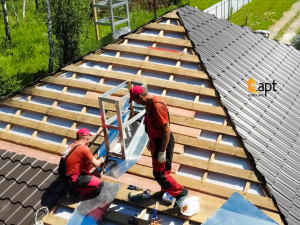


A roof leak can begin with one damaged component.
It may come from a cracked tile, loose metal sheet or failed flashing. In other cases, blocked gutters or roof valleys allow water to move where it should not.
The source is not always directly above the ceiling stain.
Water can travel beneath roofing materials, along battens or across framing before it becomes visible inside the home.
This makes a complete inspection important.
NSW storm season generally runs from September to April. However, major storms can happen at any time. NSW SES recommends fixing broken or missing tiles, roof leaks, loose metal sheets and damaged screws before severe weather.
This guide explains the common causes of roof leaks and when to arrange Roof Repair in St George and Sutherland Shire.
Water entering through the roof may not create an obvious drip straight away.
Early signs can appear on ceilings, walls or inside the roof space.
Recognising them early may reduce the amount of internal damage.
Check Ceilings, Walls and Roof Spaces Safely
Look for brown or yellow ceiling marks.
Bubbling paint, peeling plaster and damp smells may also indicate moisture.
Some leaks only appear during heavy or wind-driven rain. Others continue for a short period after the rain stops.
Check rooms below valleys, skylights and roof junctions.
However, do not assume the stain identifies the entry point.
Avoid entering a wet or damaged roof space.
Electrical wiring, unstable ceilings and slippery surfaces may create serious risks.
Professional roofers should inspect areas that require roof access.
Understand Why the Visible Drip May Not Show the Source
Water often travels before it reaches the ceiling.
It may move beneath tiles or along a sheet lap. It can also run down flashing, timber or insulation.
This means the visible stain may sit several metres from the original fault.
A quick seal over the nearest roof area may not solve the problem.
The roofer should trace the likely water path and inspect nearby components.
Photographs of the roof and internal damage can help explain the findings.
The quote should identify the suspected cause rather than only describe the ceiling stain.
Check for Damaged Tiles and Metal Roofing
Tiles and metal sheets form the main weather-resistant roof surface.
Damage to either material can allow water into the layers beneath.
The repair method will depend on the roof type and surrounding condition.
Review Cracked, Missing or Displaced Roof Tiles
A cracked tile can allow water beneath the roof covering.
Tiles may also move during strong winds or after impact from branches and debris.
One damaged tile may only require a focused repair.
However, the roofer should inspect nearby tiles, ridge capping and underlay.
Widespread cracking may indicate a broader problem.
Older tiles can also become harder to match.
The replacement needs the correct profile, size and interlocking design.
A tile that looks similar may not fit correctly.
Homeowners should not climb onto the roof to identify or remove tiles.
Look for Loose Sheets, Screws and Corrosion
Metal roofs rely on sheets, fasteners, flashings and sealed penetrations.
Loose screws or damaged washers may allow water through fixing points.
Sheet laps can also create problems when they move or deteriorate.
Corrosion needs careful assessment.
A small surface area may require local work. Wider corrosion can affect several sheets or flashings.
The surrounding roof should be checked before a single component is replaced.
NSW SES specifically advises homeowners to repair loose metal sheets and screws before storms.
A qualified roofer should explain whether repair or replacement suits the affected area.
Inspect Flashing, Valleys and Roof Penetrations

Many leaks begin where the roof changes direction or meets another structure.
These areas rely on correctly installed flashing and drainage details.
They often require closer inspection than the main roof surface.
Understand How Flashing Protects Roof Junctions
Flashing directs water away from roof junctions.
It may sit around chimneys, skylights, walls, vents or changes in roof level.
Damaged or poorly fitted flashing can allow water beneath the roofing.
Old sealants may also crack or separate.
The roofer should inspect the shape and condition of the flashing.
Adding more sealant is not always the right repair.
The damaged section may need to be removed, reshaped or replaced.
Ask the contractor to explain how the flashing will direct water after the repair.
Check Valleys and Penetrations for Water-Entry Risks
Roof valleys carry water from two roof slopes.
Leaves, dirt and broken materials can slow this flow.
Water may then back up beneath tiles or overflow into nearby roof areas.
Skylights, vents and pipe penetrations also need reliable seals and flashing.
Movement, ageing materials or poor previous repairs may create gaps.
A roof repair service in Sydney should inspect both the penetration and the surrounding roof.
The problem may involve the flashing rather than the skylight or vent itself.
A clear quote should separate replacement products from roofing work.
Review Gutters, Downpipes and Stormwater Flow
A roof may leak even when the main covering remains intact.
Poor drainage can send water beneath the eaves or into the roof cavity.
Gutters and downpipes should therefore form part of the assessment.
Identify Blockages and Overflowing Gutters
Leaves, dirt and roofing debris can block gutters.
During heavy rain, the trapped water may overflow.
NSW SES warns that blocked gutters, drains and downpipes can cause water to move beneath the eaves and into the roof cavity.
Check for visible plant growth, pooled water or staining around the gutter line.
Do not use a ladder during wet or windy conditions.
A professional may need to clean and inspect difficult areas safely.
Gutter overflow can also damage fascia, eaves and external walls.
The cause should be corrected rather than treated as a surface stain.
Check Whether Drainage Problems Are Affecting the Roof
A clear gutter does not guarantee good drainage.
The gutter may have an incorrect fall, damaged joints or limited capacity.
Downpipes may also be blocked or disconnected.
Valleys often discharge large volumes of water into one area.
The roofer should check how this water reaches the gutter and downpipe.
Recurring overflow may need more than routine cleaning.
Roof repairs St George homeowners arrange should include drainage review when water enters near eaves or valleys.
Related stormwater work may require another qualified trade depending on the scope.
Choose the Right Repair Service

The right service depends on the cause and condition of the roof.
A localised fault may only need repair. Wider deterioration may need restoration or replacement.
A professional assessment should explain the difference.
Compare Repair, Restoration and Replacement Options
Roof repair targets a defined problem.
This may include replacing tiles, correcting flashing or renewing a damaged metal section.
Restoration generally covers a wider area.
It may include cleaning, ridge work, repairs and surface treatments, depending on the roof type and condition.
Replacement removes and renews a major roof section or the full covering.
Do not choose based on the service name alone.
Ask what the work will correct and which roof areas it includes.
Roof repairs south eastern Sydney homeowners consider should reflect the actual condition rather than a standard package.
Review Licensing, Scope and Workmanship Details
In NSW, a contractor licence is required to carry out, advertise or contract for residential roof-tiling work valued above $5,000, including labour, materials and GST. Roof-tiling work includes tiles, bedding, pointing, flashing valleys, sarking and battens.
Verify the contractor’s licence and insurance.
Read the written scope carefully.
It should identify the repair area, materials, access requirements and exclusions.
Ask how hidden damage and variations will be handled.
Also check workmanship and product warranty information.
Do not compare two quotes only by total price.
One may include drainage, flashing or access equipment that another leaves out.
Know When to Contact APT Roofing
Some minor maintenance can be planned.
Active water entry and storm damage need faster attention.
Repeated leaks also require investigation.
Arrange an Inspection After Leaks or Storm Damage
Contact a roofing company when water enters the home.
Missing tiles, loose sheets and damaged flashing also need assessment.
Do not wait for the next storm to confirm that the problem remains.
APT Roofing publishes roof repair services for St George and Sutherland Shire. Its service-area page lists residential, strata, real estate, insurance, commercial and industrial roofing work. It also lists suburbs including Rockdale, Kogarah, Hurstville, Sylvania, Miranda, Caringbah, Cronulla and Sutherland.
The company states that its broader services include repairs, restoration, re-roofing, new roofing, ventilation, guttering and downpipes.
Confirm current service availability for the property.
Prepare Useful Information Before the Visit
Explain where the water appears inside.
State when the leak occurs and whether strong wind makes it worse.
Provide photographs from safe locations.
Include ceiling stains, exterior damage and any spare roofing materials.
Tell the roofer whether the property uses tiles or metal roofing.
Share previous repair details where available.
Also mention access limitations, solar panels, skylights or suspected asbestos materials.
For roof repairs Hillsdale, roof repairs Little Bay or roof repairs Maroubra, confirm the company’s current service coverage before booking.
These suburbs sit outside the specific St George and Sutherland Shire list published on APT Roofing’s local service page.
Reduce the Risk of Future Roof Leaks

A completed repair should address the current cause.
Ongoing maintenance can then reduce the chance of another avoidable problem.
The entire roof and drainage system should work together.
Plan Regular Roof and Drainage Maintenance
Check the property after major storms.
Look for visible tile movement, loose sheets and gutter damage from ground level.
Keep gutters, drains and downpipes clear.
Trim branches that could strike the roof.
Use qualified contractors for work involving roof access or large trees.
NSW SES recommends repairing roof damage, clearing drainage and checking insurance before storm season.
Keep records of inspections and repairs.
A clear history can help identify recurring faults.
It may also support insurance discussions after storm damage.
Confirm the Full Repair Before Work Begins
Review the final scope before approval.
Check the roof area, materials and repair method.
Confirm whether access equipment and waste removal are included.
Ask about the start date and weather delays.
Some roofing work requires dry and safe conditions.
Keep copies of the quote, variations, invoices and warranties.
Homeowners looking for Roof Repair in St George and Sutherland Shire can contact APT Roofing to arrange an assessment and confirm the suitable repair scope.